A pet peeve is more than just a minor annoyance. It is a specific, often trivial, action or habit that triggers a disproportionately strong emotional reaction. The core of the pet peeves definition lies in its personal and subjective nature—what one person finds deeply irritating, another may not even notice. For expats, international students, and young adults in Italy, understanding this definition is a critical step toward managing the unique stresses of intercultural life.
These small frustrations, when left unaddressed, can accumulate and significantly impact mental well-being. Recognizing them is the first step toward building emotional resilience and thriving in a new environment.
The Psychological Insight: Why Do Pet Peeves Bother Us So Much?

A pet peeve is an emotional tripwire. It is that one specific trigger—a colleague consistently clicking their pen, a housemate leaving dirty dishes in the sink, or a friend constantly interrupting—that bypasses your usual patience and sends a jolt of frustration through you.
While the trigger itself may seem insignificant, the emotional response is genuine and powerful. This is because pet peeves are rarely about the action itself. They are deeply connected to our underlying values, personal boundaries, and unspoken expectations of how people should behave in a fair and orderly world.
Why This Definition Matters for the International Community in Italy
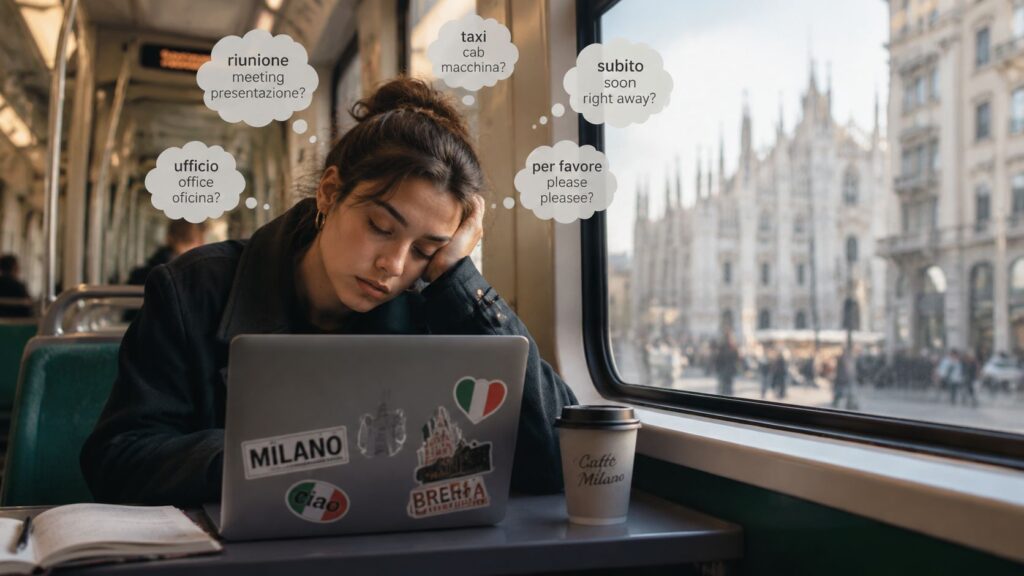
For expats, young adults, and international students living in Italy, understanding the pet peeves definition is particularly crucial. Adjusting to a new country involves navigating a complex landscape of unfamiliar social norms and daily routines. What is perfectly normal in Italian culture can clash with your own internal rulebook, creating a new set of unexpected pet peeves.
These seemingly minor irritations can build up, becoming a significant source of stress that affects your mental health. Common examples include:
- Bureaucratic Delays: The notoriously slow pace of Italian bureaucracy can feel like a personal affront to someone accustomed to efficiency.
- Different Social Timings: A more fluid approach to punctuality may be interpreted as disrespect if you value strict schedules.
- Communication Styles: Indirect communication, common in many cultures, can be misread as passive-aggressive or insincere.
A pet peeve acts like an emotional magnifying glass. It takes a small point of friction and blows it up, revealing underlying stress, cultural fatigue, or unmet needs that might otherwise fly under the radar.
Recognizing these triggers for what they are—small but potent sources of irritation—is the first step toward managing them. It helps you distinguish between a minor cultural difference and a major personal conflict. By developing a clearer understanding of your pet peeves and their origins, you can enhance your emotional awareness and build greater resilience. You can explore this concept further by reading about the power of emotional awareness in our detailed guide.
The Problem: When Small Things Cause Big Reactions

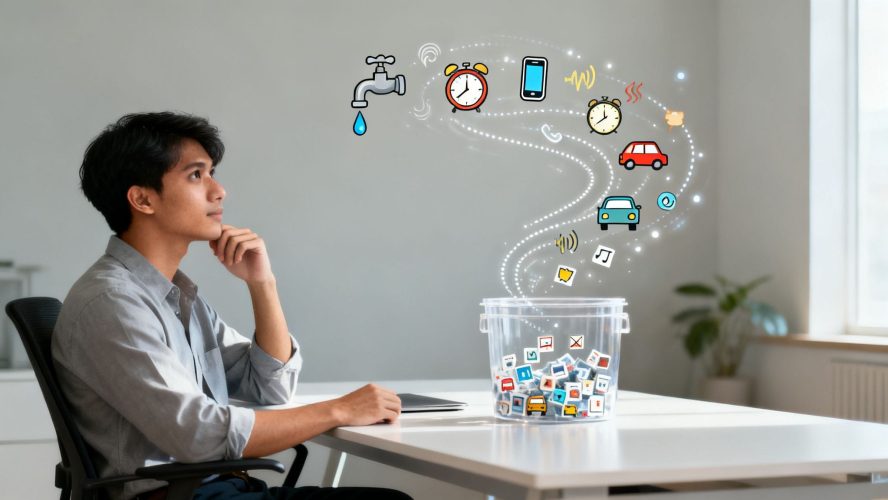
Have you ever wondered why a seemingly minor annoyance can completely disrupt your emotional equilibrium? The psychology behind strong reactions to small triggers is often a simple case of accumulation. A pet peeve rarely acts in isolation; it is frequently the final drop in an already full emotional bucket.
Imagine your emotional capacity as a container. Every small frustration, moment of stress, or daily irritation adds a drop. While one drop is negligible, these micro-stressors accumulate over time. Eventually, one last, tiny event is all it takes for the container to overflow.
This is especially true for expats, young adults, and international students in Italy. The constant background stress of adapting to a new culture, navigating bureaucracy, and managing daily life in a different language keeps that emotional bucket perpetually close to the brim.
The Unspoken Rules We Live By
At their core, many pet peeves represent violations of our unspoken rules and expectations for how the world should operate. We all possess these internal guidelines, shaped by our upbringing, culture, and life experiences.
When someone’s actions clash with these rules—such as talking loudly on a quiet train or consistently arriving late—it can feel like a personal slight. This sense of violation triggers a surprisingly strong emotional response because it challenges our fundamental sense of order and fairness. Your reaction is not just about the loud phone call; it is about the perceived lack of consideration for others, which conflicts with a deeply held value. The gap between expectation and reality is often where frustration builds, a concept you can explore in our article on understanding cognitive dissonance.
Your feelings are not an overreaction; they are a signal. A strong response to a small trigger is often your mind’s way of telling you that your emotional resources are depleted and in need of attention.
How Micro-Stressors Impact Expat Mental Health
These small, daily irritations build up silently, eroding our well-being without our conscious awareness. Consider the constant noise from neighbors or the unreliable public transport in bustling Italian cities.
For expats, particularly in urban centers like Milan and Turin, these minor frustrations can snowball into significant stressors. The need to constantly adjust is emotionally draining. Research highlights how migrants in Italy face heightened anxiety, with 28% reporting lifetime mental disorders linked to these kinds of daily uncertainties.
Navigating Pet Peeves as an Expat in Italy

For the international community, the pet peeves definition is not an abstract concept but a daily reality. This is especially true for those living in fast-paced northern Italian cities like Milan or Turin. Here, the small, persistent frictions of a new culture can begin to wear you down, turning simple interactions into sources of major frustration.
These irritations often have little to do with the language barrier. They are the subtle, unspoken differences in communication styles at work, social etiquette, or the general pace of life. Imagine trying to get a project approved, only to discover the decision-making process is far more fluid and relationship-driven than you are accustomed to. This is not just a professional hurdle; it is a classic expat pet peeve in the making.
Common Frustrations for Young Adults and Professionals
The expat journey is often paved with these small but powerful annoyances. You might find yourself simmering with frustration over unpredictable public transport when you have a critical meeting or feeling bewildered by a colleague’s indirect feedback. These are not personal failings; they are universal experiences for anyone adapting to a new cultural context.
Simply knowing that these feelings are normal is a significant first step. For a deeper analysis of these situations, our guide on navigating cultural differences in Italy offers valuable context.
How Daily Irritations Impact Expat Mental Health
When the pressures of a high-stakes professional life in northern Italy are added to the mix, these minor annoyances can easily transform into significant stressors. Things like constantly late trains or passive-aggressive comments from colleagues can fester, eventually contributing to stress, anxiety, or burnout.
For many internationals, the accumulation of these small daily frictions – on top of demanding work environments – becomes a real source of strain on mental well-being.
To help you identify your own sources of frustration, we have broken down some common expat pet peeves.
Common Pet Peeves in Different Life Areas
This table illustrates how small, seemingly insignificant annoyances can appear across different aspects of your life in Italy, often pointing to deeper feelings of exclusion or frustration.
| Category | Example Pet Peeve | Underlying Frustration |
|---|---|---|
| Workplace | Colleagues switching to Italian during a meeting. | Feeling excluded, dismissed, or undervalued. |
| Social Life | Last-minute changes to plans or vague commitments. | A sense of unpredictability and disrespect for your time. |
| Daily Living | Navigating complex bureaucratic processes without clear guidance. | Feeling powerless, inefficient, and overwhelmed. |
Recognizing these patterns is the first step toward managing them. By understanding the root cause, you can begin to address not just the annoyance itself, but the underlying feelings it triggers.
How Pet Peeves Can Harm Your Relationships
When left unaddressed, pet peeves can become silent relationship killers. A seemingly small habit—like leaving wet towels on the bed or always being five minutes late—can slowly begin to symbolize much deeper issues, such as a lack of respect, care, or consideration.
In any partnership, but especially for intercultural couples, these tiny points of friction have a tendency to escalate into major conflicts. What starts as a simple annoyance can, over time, erode the trust and intimacy you share. This often leads to a destructive cycle where one person’s nagging complaints cause the other to shut down emotionally, creating a painful distance and simmering resentment.
The Demand-Withdraw Cycle in Relationships
This common pattern is known as the ‘demand-withdraw’ cycle. One partner, the ‘demander’, repeatedly brings up the issue (the pet peeve), while the other, the ‘withdrawer’, pulls away to avoid conflict. Ultimately, neither person feels heard, and the core issue remains unresolved.
This dynamic is particularly challenging for expats, as cultural differences can introduce a whole new set of potential pet peeves, making clear communication more critical than ever. When these personal clashes become more than just trivial arguments, they can seriously impact your mental health, turning your most important relationship into a source of chronic stress. When disagreements arise, learning how to effectively stop arguing in relationships can transform conflict into connection.
Over time, a pet peeve stops being about the action itself and becomes ‘proof’ of a larger problem. The focus shifts from ‘you left the crumbs on the counter’ to ‘you don’t care about my feelings or our shared space.’
These challenges are particularly acute for couples in Italy’s economic hubs of Milan and Turin, where minor grievances often escalate into major rifts. For migrant women in Italy, stressors like irregular work schedules can exacerbate these tensions, contributing to higher rates of major depressive episodes. You can explore more about the mental health statistics of migrants in Italy in this detailed study.
Understanding how to navigate these disagreements with empathy and open communication is essential. Strengthening your emotional intelligence in relationships is a powerful step toward breaking these frustrating cycles for good.
The Solution: Practical Strategies to Manage Your Pet Peeves

Knowing what pushes your buttons is one thing; preventing it from ruining your day is another. The good news is that you can transform a spike of frustration into a constructive opportunity for growth. Managing your pet peeves is not about suppressing your feelings, but about learning healthy ways to regulate your reaction and communicate your needs. It is about reclaiming your peace of mind.
The first step is self-awareness. Before you react, pause and take a breath. Identify what is really bothering you and, more importantly, ask yourself why. Is it truly about the pen-clicking, or is it that the noise triggers a deeper feeling of being ignored or disrespected? Understanding the root cause is essential.
Healthy Coping Mechanisms for In-the-Moment Relief
When a pet peeve strikes, your body’s stress response can activate immediately. The goal is to calm this physiological reaction before it takes over. With practice, you can learn to manage these overwhelming feelings effectively.
Here are a few powerful techniques to try in the moment:
- Mindful Breathing: It sounds simple because it is effective. Inhale slowly for a count of four, hold your breath for four, and then exhale for a count of six. This simple act signals to your nervous system to calm down, creating a crucial pause between the trigger and your response.
- Cognitive Reframing: Challenge the initial negative thought. Instead of assuming, “They are doing this just to annoy me,” consider an alternative explanation: “They probably have no idea this is an issue for anyone.” This simple shift can change your perspective from feeling personally attacked to being merely inconvenienced.
- Grounding Techniques: Bring your focus back to the physical world. Name five things you can see, four things you can feel, three things you can hear, two you can smell, and one you can taste. This technique pulls your attention out of your internal emotional spiral and grounds you firmly in the present moment.
The goal isn’t to magically eliminate the annoyance. It’s about shrinking its power over you. These skills give you the mental space to choose a more thoughtful, deliberate response.
How to Communicate Your Needs Assertively
Once you feel calmer, you can decide if the issue is worth addressing. If it is, assertive communication is key. This is not about being aggressive; it is about stating your needs clearly and respectfully, without blaming the other person. Always use “I” statements to frame your feelings. For instance, instead of saying, “You’re being so loud,” try, “I find it hard to concentrate when there’s a lot of noise while I’m trying to work.”
This approach feels like an invitation to solve a problem together rather than an accusation. For those looking to deepen these skills, exploring the connection between mindfulness and psychotherapy can offer a clear, structured path to better emotional regulation and stronger communication.
When Your Pet Peeves Signal Something Deeper
While most pet peeves are minor, fleeting annoyances, an intense reaction to a trivial matter can sometimes signal a deeper mental health challenge, such as anxiety, depression, or burnout.
Think of it as an early warning system. If you find your reactions are becoming uncontrollable, causing you significant distress, or leading you to avoid people and places, your emotional reserves may be depleted. It is your mind’s way of signaling that it is overwhelmed.
Learning to Tell the Difference
Distinguishing between a simple annoyance and a symptom of a larger problem is key to your well-being. Take a moment to ask yourself these questions:
- Is my reaction proportional? Does a misplaced coffee mug or a loud phone call consistently ruin your entire day?
- Is it impacting my relationships? Are you frequently snapping at your partner, family, or friends over minor issues?
- Am I avoiding situations? Do you find yourself skipping social events or altering your routine to avoid potential triggers?
If you answered yes to any of these, it may be a signal to seek support. A powerful reaction to a pet peeve is often a clue that an underlying issue is making you more sensitive to stress.
Seeking help isn’t a sign of weakness; it’s a proactive step toward understanding yourself better. A therapist can help you explore the root causes of your heightened sensitivity and develop resilience.
This is where professional support can make all the difference. At Therapsy, our multilingual therapists specialize in supporting the international community in Italy. We understand the unique pressures that expats, intercultural couples, and young adults face, and we offer a safe, confidential space to explore these feelings without judgment.
Our team of carefully selected, licensed professionals can help you untangle these complex emotions. Working together, we can identify the real sources of your distress and build healthier coping strategies, helping you feel more in control and ready to thrive in your life abroad.
Your Top Questions, Answered
Here are answers to some of the most common questions about pet peeves, designed to help you navigate daily frustrations with greater understanding and ease.
Is This a Pet Peeve or Is It Anxiety?
This is an important distinction, as the line can sometimes feel blurry. A pet peeve is typically a specific, minor annoyance that irritates you in the moment—like someone chewing loudly. The feeling is frustrating but usually passes quickly.
Anxiety, however, is a more persistent state of worry or fear that often lacks a single, clear trigger. The two can be connected. If your reaction to a pet peeve feels completely disproportionate, causes you significant distress, or leads you to avoid situations, it may be a manifestation of underlying anxiety. A therapist can help you explore this connection.
How Do I Talk to My Partner About Their Annoying Habits Without Causing a Fight?
Effective communication is essential. The goal is to solve a problem together, not to assign blame. The most effective tool for this is the “I” statement.
Instead of saying, “You’re always leaving a mess,” which is accusatory, frame the issue around your own feelings. For example: “I feel really stressed and find it hard to relax when the living room is cluttered.” This approach explains your experience without attacking your partner.
Choose a calm moment for the conversation, focus on one specific issue, and approach it as a team. This transforms a potential argument into an opportunity to connect and improve your shared environment.
Do Expats Get Pet Peeves from Cultural Differences?
Absolutely. This is one of the most common and under-discussed aspects of adjusting to life in a new country.
For expats and international students, new pet peeves often arise from cultural norms that differ from what they are used to. This can include anything from queuing etiquette and concepts of punctuality to directness in conversation or socially accepted noise levels.
Experiencing this is a completely normal part of cultural adaptation. If you find these clashes are significantly impacting your well-being, discussing them with a culturally-sensitive therapist can be incredibly beneficial. It provides a space to process the frustration and develop constructive strategies for adapting.
At Therapsy, our multilingual therapists understand the unique challenges faced by the international community in Italy. If you find that daily irritations are impacting your well-being, we’re here to help you find balance.
Book your first free assessment call.