You can be doing everything “right” on the outside, going to work, answering messages, keeping plans, even smiling in cafés, and still feel unwell on the inside. For many expats in Italy, that feeling shows up as language fatigue, isolation, irritability, sleep problems, or a strange sense that life looks fine but doesn't feel fine. How to know if you need therapy usually starts with noticing that your distress is no longer just passing through, it's starting to shape your days.
A good rule is simple. If what you're feeling is persistent, distressing, or interfering with functioning, therapy is worth considering. That's true whether you're in Milan, Rome, Florence, or trying to build a life somewhere smaller while missing home, your old routines, and the ease of speaking in your first language.
There's also a reason this question matters now. In the United States, the average delay between the first appearance of mental illness symptoms and treatment is about 11 years according to NAMI, and that gap exists in part because people wait until things are clearly disruptive before they ask for help. NAMI's mental health by the numbers shows why waiting for a crisis can make support arrive much later than it should. If you've been wondering whether your struggles are “bad enough,” that uncertainty itself deserves attention.
If you want a broader starting point for everyday emotional care, this guide on improving mental health can help you notice patterns before they harden into habits.
Recognizing the Moment You Start Questioning Your Mental Health
Sometimes the first sign is a small, uneasy thought that keeps returning during an ordinary day. You may be answering messages, commuting, or making dinner and still feel a quiet question in the background, “I'm not okay, but I don't know whether this is serious enough to count.”
For expats in Italy, that moment often shows up after weeks of translating at the supermarket, rereading emails in another language, or leaving social events more drained than usual. Life may still look organized from the outside, yet every task takes more effort than it should. That is often the point when people start asking how to know if you need therapy.
The question itself already matters
Wondering about therapy is not a sign that you have failed to cope. It usually means you are noticing a mismatch between how you seem to be doing and how you feel inside.
A useful rule is straightforward. If you keep returning to the same question about getting help, that repeated doubt is information. Something in your life feels unsettled enough to keep asking for attention.
Therapy is often discussed as if it were only for emergencies, but real care rarely works that way. It can also help with persistent stress, grief, adjustment difficulties, relationship strain, burnout, and the identity shifts that come with living between cultures. In intercultural settings, distress can stay hidden behind competence for a long time, especially when you are used to pushing through.
For a broader starting point on everyday emotional care, this guide on improving mental health can help you notice patterns before they harden into habits.
When “I can manage” stops feeling convincing
The clearest way to judge this is by looking at distress and functioning. A problem deserves professional attention when it keeps hurting, keeps returning, or starts changing how you live, even if it does not look dramatic from the outside. If you are rearranging your days around it, hiding it from other people, or spending a lot of time mentally circling it, that suggests the issue has grown beyond a normal rough patch.
For expats, the signs can be easy to miss because they often look practical instead of emotional. You may still answer emails and show up to work, but you no longer see friends, you sleep poorly, you cry more easily, or you need a long recovery period after any social interaction. Language fatigue can add to that load, because even simple conversations may require so much effort that there is little energy left for anything else.
That is not a character flaw. It is a signal that support may help.
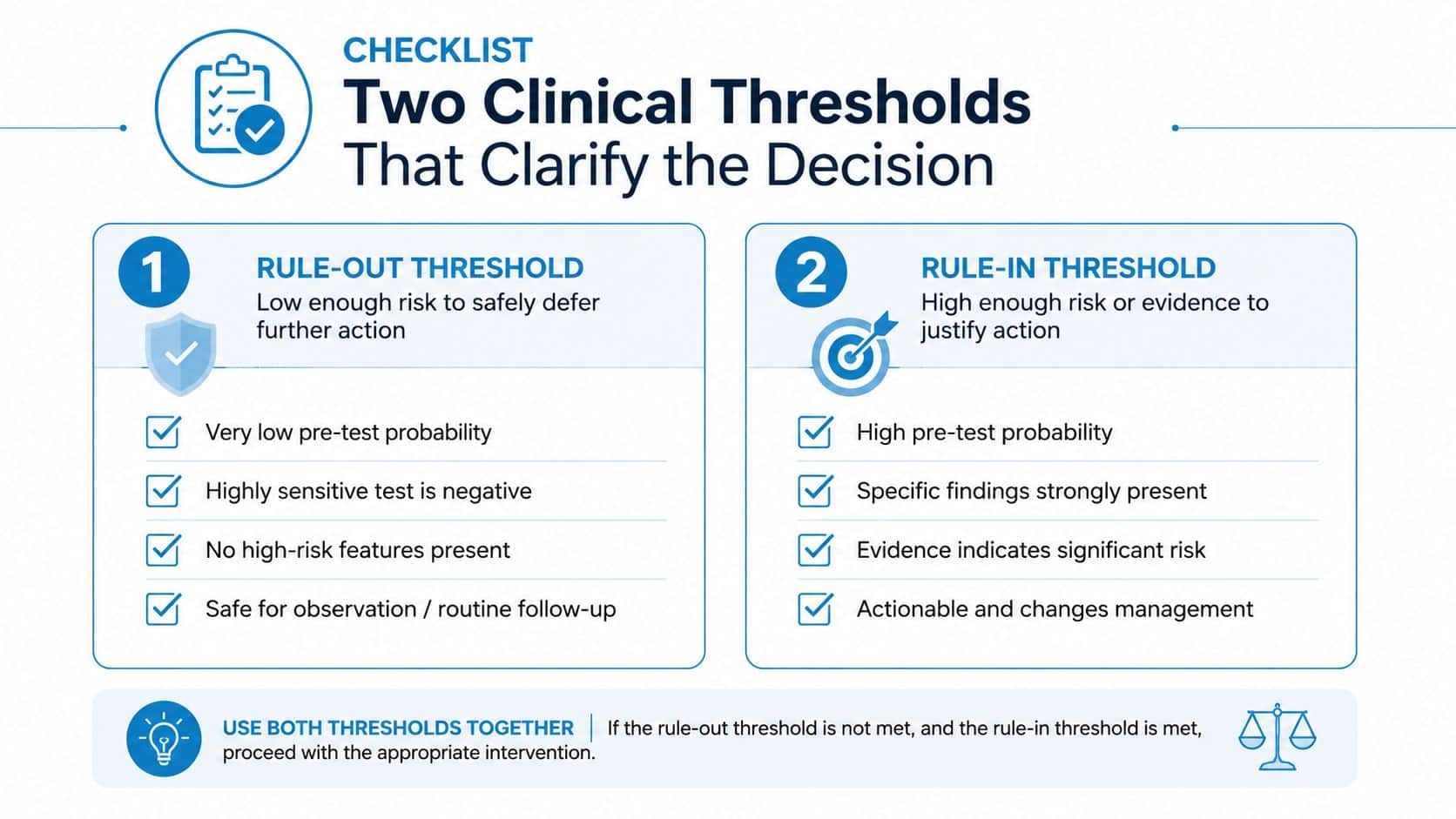
Two Clinical Thresholds That Clarify the Decision
A clearer way to move from guessing to deciding is to look at two thresholds, distress and impairment in functioning. They are practical markers, not labels, and they help you judge whether a rough patch is still a rough patch or has started to take up too much space in daily life.
Distress means more than discomfort
Start by asking whether the problem feels intense, keeps returning, or is hard to put aside. APA guidance on seeking therapy points out that spending a lot of time each day thinking about a problem, hiding it from other people, cutting back on work or school goals, or reshaping your life around it can be a sign that professional support makes sense.
That matters because it gives shape to something slippery. If your mind keeps pulling you back to the same worry for long stretches, therapy can help you see what is driving that loop and how to loosen its grip.
Impairment means your life is shrinking around the problem
Impairment does not always look dramatic. Sometimes it looks like skipping invitations because you do not have the energy to translate yourself into another language and then do it again socially. Sometimes it looks like missed deadlines, avoiding calls home, or using food, alcohol, scrolling, or overwork just to get through the day.
A useful way to sort out whether the problem is crossing a line is to ask what it is doing to your functioning. If you are comparing whether to speak with a psychologist or psychiatrist, this guide on psychologist vs psychiatrist can help you understand the difference before you book a first appointment.
For mood symptoms, duration also matters. Feeling down most of the time for 2 weeks or more is a common reason to seek support. ADAA guidance on when to seek therapy That does not mean you need to give yourself a label. It means a low mood that keeps hanging around deserves more than waiting it out.
A simple self-check can help you sort the signal from the noise:
- Duration, how long the symptoms have been there.
- Intensity, how strong they feel.
- Impact, where they show up in work, sleep, relationships, appetite, or concentration.
If all three are moving the wrong way, therapy is a sensible next step.
Common Signs That Therapy Could Help You Right Now
Sometimes the body knows before the mind does. Sleep changes, appetite shifts, and constant tension are often the first visible clues that your system is overloaded.
For expats, these signs can be easy to excuse. You may tell yourself that you're just adjusting, just busy, or just missing home. But when a new environment keeps activating stress, the symptoms can become the new normal. That's when therapy becomes useful, not because you've failed, but because your coping load has become too heavy to carry alone.
Here is the article on signs of high-functioning depression, which is useful if you look fine on paper but feel depleted underneath.
What it can look like in daily life
The signs are often less about one giant crisis and more about patterns that don't go away.
- Sleep disruption: You can't fall asleep, wake up early, or sleep heavily but still feel exhausted.
- Appetite changes: You eat much less, much more, or use food to numb stress.
- Loss of interest: Things you used to enjoy now feel flat, even when you force yourself to do them.
- Withdrawal: You stop replying, cancel plans, or avoid social settings because the effort feels too high.
- Increased avoidance: Alcohol, endless scrolling, overwork, or constant busyness becomes a way to escape your feelings.
- Relationship strain: Small disagreements turn into repeated conflict, or you feel emotionally distant from your partner, friends, or family.
- Stuckness: You've tried self-help, exercise, journaling, or talking it through, but nothing seems to shift.
You don't need every symptom to be present. A few persistent ones can still mean therapy would help.
Why expat life can amplify these signs
Cross-cultural psychology helps explain why these patterns show up so often abroad. When your brain is working harder to decode language, social cues, bureaucracy, and identity expectations, your emotional reserves can run low faster than you expect. That can show up as irritability, numbness, or a short fuse with people you care about.
A lot of people mistake this for personal weakness. It usually isn't. It's often a stress response that has become chronic.
If you've been telling yourself, “I'm just not myself lately,” take that seriously. That sentence often means your system is asking for support.
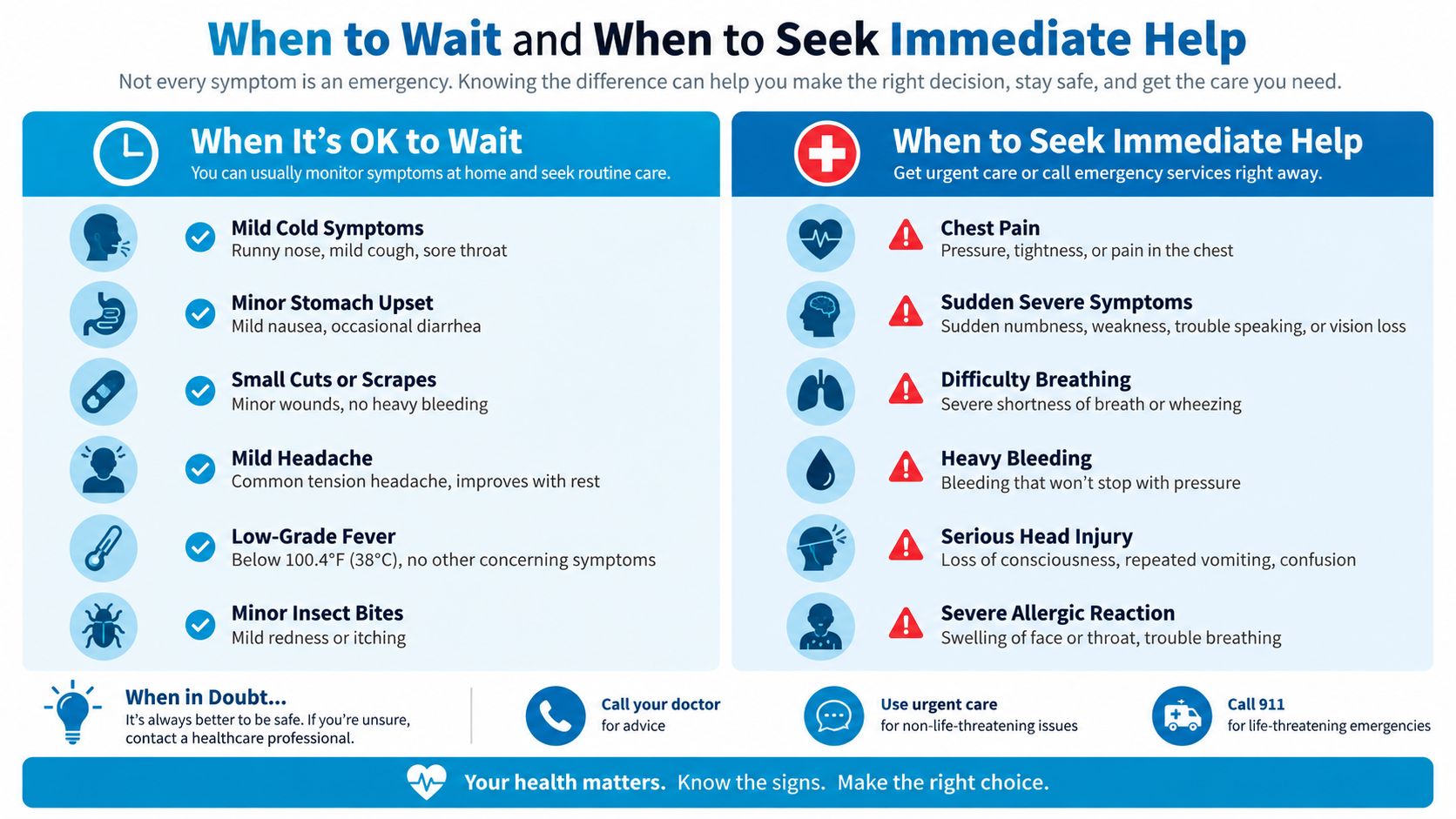
When to Wait and When to Seek Immediate Help
You may be standing in your kitchen after another hard day in Italy, wondering whether what you're feeling is just expat strain or something that needs professional care. That uncertainty is common. The useful question is not whether the feeling is uncomfortable, but whether it is staying local and temporary, or spreading into sleep, work, relationships, and your ability to function.
A simple way to sort that out is to look at distress and impairment together. Distress tells you how intense the pain feels. Impairment tells you what the pain is doing to your life. When both are rising, the case for therapy gets stronger.
Self-care is enough when the stress is temporary
If the strain is recent, mild, and not changing your behavior much, self-care may be enough for now. That can mean more sleep, less overstimulation, a slower schedule, or a few quiet days after a difficult event.
Therapy becomes more relevant when the same problem keeps returning, lasts beyond a short stretch, or starts affecting work, school, or relationships. The Cleveland Clinic and Everyday Health guidance on needing therapy points to symptoms that last for a while and clearly interfere with daily life as a reason to seek support. A good rule of thumb is this, if the problem is no longer just painful but also changes how you live, it deserves attention.
Therapy is advisable when the problem is persistent or growing
If you are still getting through the day, but only by pushing harder and making your life smaller, that is often the middle zone where therapy helps most. People in that place often say they are functioning, yet they feel tense, less present, and more alone than they want to admit.
Expat life can make this harder to spot. Language fatigue, isolation, and cultural adjustment can drain your energy so gradually that you start calling exhaustion normal. From the outside, you may look settled. Inside, you may be spending a lot of effort on basic tasks that used to feel easy.
A first therapy conversation can help you sort out whether that strain is a passing adjustment or a pattern that needs care. If you want to know what that first step usually looks like, the first psychological session at THERAPSY can give you a clearer sense of the process.
Immediate help is needed when safety is at risk
Get urgent professional help right away if there are suicidal thoughts, self-harm, hallucinations, or an inability to care for yourself. Guidance on when to seek immediate help treats thoughts of suicide or self-harm as a signal to contact a professional or, in Italy, call 112, and it also points to urgent evaluation when there are hallucinations, severe impairment, or no improvement after a long stretch of therapy.
If you are in that situation, do not wait to see whether it passes. Contact local emergency services, a crisis line, or a trusted professional who can help you reach the right level of care. If you are unsure whether your situation is urgent, it is safer to ask for help than to sit with the question alone.
What to Expect From Your First Therapy Assessment
The first therapy assessment usually feels less formal than people expect. It is a conversation, not a test, and its purpose is to help the therapist understand what is happening in your life, what you need, and what kind of support may fit.
Many people walk in worried they will not know what to say. That hesitation is normal, especially if you are already feeling tired, isolated, or stretched thin by cultural adjustment and language fatigue. The session is built for that uncertainty.
The therapist will ask about your current situation
You can expect questions about what brought you in, how long the concern has been present, and how it affects your daily life. The therapist may also ask about sleep, appetite, mood, work, relationships, immigration stress, or earlier experiences that help explain the pattern you are noticing.
The therapist is not trying to trap you with the right answer. They are listening for context, like a clinician piecing together a map from a few clear landmarks rather than expecting you to describe the whole route at once.
The point is to find the right match
The first meeting is also about fit. A therapist listens for whether CBT, EMDR, Schema Therapy, or another approach makes sense for your goals and your history. You do not need to choose the method on your own, because part of the therapist's job is to help you make sense of the options and how they relate to what you are dealing with.
A few practical things usually happen in the first session:
- You describe the main concern, in your own words.
- The therapist clarifies context, such as timing, triggers, and impact.
- You discuss goals together, even if the goals are still tentative.
- You decide next steps, which may include continued therapy, a different referral, or more assessment.
That process can also help you see whether your struggles are mainly about a temporary adjustment or about a pattern that is starting to affect how you function. If you want a clearer picture of what the first meeting can feel like, the first psychological session at THERAPSY describes the process in a practical way.
Confidentiality and your role matter too
What you share is generally treated with confidentiality, with standard safety exceptions that any responsible clinician should explain. You are also assessing the therapist. Pay attention to whether you feel respected, understood, and not rushed.
That matters even more for expats, where language and cultural nuance can shape whether you feel safe enough to open up. A therapist can ask the right questions, but you still need enough room to answer in a way that sounds like you, not a translation.
If the conversation leaves you clearer, calmer, and better able to name what is going on, that is a good sign. Even a first session can function like a well-run intake interview, gathering enough information to show whether the next step should be therapy, a referral, or more evaluation.
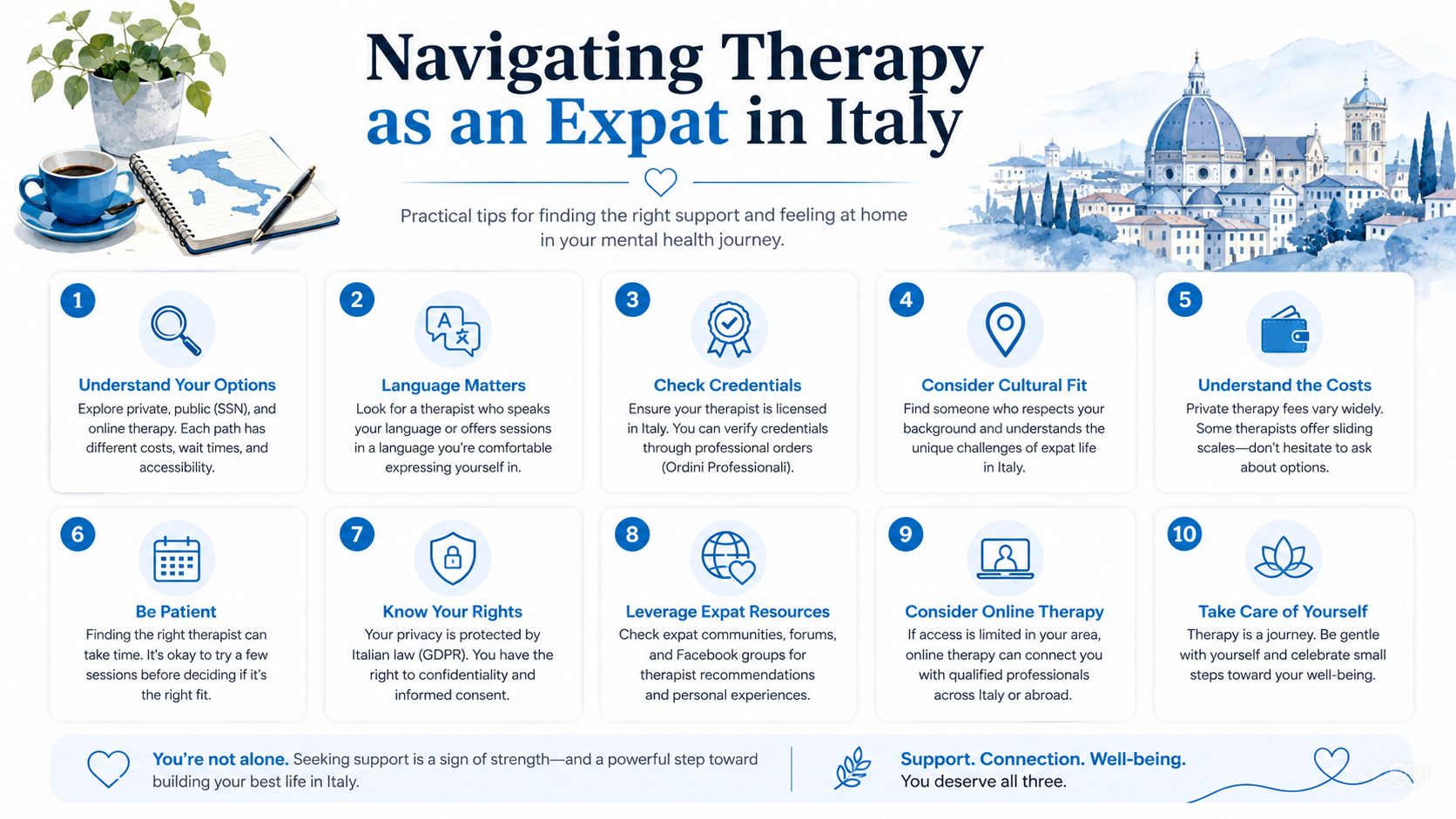
Navigating Therapy as an Expat in Italy
Finding therapy in another country can be emotionally harder than people expect. You're not only looking for help, you're also trying to understand a new system, new norms around care, and sometimes a language that doesn't feel like your own.
That extra friction matters. When support is harder to access, people delay reaching out, even when they already know they're struggling.
Why language and culture change the experience
Therapy works best when you can speak openly, quickly, and without translating your inner life sentence by sentence. If you're constantly searching for words, you may end up editing yourself instead of being seen.
That's where multilingual and culturally informed care becomes important. It's not only about convenience. It's about being able to describe grief, shame, panic, loneliness, and identity conflict in a way that feels accurate.
A practical option for expats in Italy
Therapsy offers therapy in 14 languages, including Italian, English, French, Spanish, German, Portuguese, Ukrainian, Russian, Greek, Arabic, Urdu, Hebrew, Hindi, and Persian (Farsi). It also provides online and in-person sessions across 24 Italian cities and 90+ physical locations, with human matching by the Clinical Director rather than algorithms or automated questionnaires.
That matters for people who want a therapist matched to their needs, not just the first available name on a list. The team also works with evidence-based approaches such as CBT, EMDR, Schema Therapy, TMI, systemic-relational therapy, humanistic/bioenergetic psychotherapy, and ethnopsychotherapy. You can read more on the Therapsy therapists page and the services page.
Simple truth: If you're living in Italy but think and feel in another language, therapy should meet you there.
A support path that doesn't depend on perfection
Many expats wait because they think they need the “right” language, the “right” city, or the “right” level of distress before they book. You don't. The more useful question is whether the support helps you feel understood and able to function.
If you're still deciding what kind of therapist or format would fit your life, this guide to finding the right therapist for expats in Italy is a good place to start.
Your Next Step Starts With a Conversation
You do not have to be certain before you ask for help. In fact, therapy often begins in the exact place where certainty runs out and self-awareness starts.
That first conversation can be low-pressure. It can help you name what's happening, sort out whether the issue is distress, impairment, or both, and decide what kind of support makes sense. For many people, that alone brings relief, because being heard clearly is often the first real break in the cycle.
If you're an expat in Italy, this matters even more. You may be carrying culture shock, loneliness, work stress, or identity strain while also trying to work through a system that doesn't always feel intuitive. Reaching out for multilingual support isn't overreacting. It's a practical response to a real load.
Therapsy's first assessment call is free, with no commitment, and the conversation is with the Clinical Director, who listens and helps match you with the right therapist. That kind of human matching can make the first step feel safer, especially when you're already unsure whether your struggles are “enough.”
If you've been wondering whether therapy might help, you don't need to keep carrying that question alone. THERAPSY offers a free first assessment call, multilingual care in Italy, and a human-led matching process so you can explore support without pressure. Visit THERAPSY to take that first step when you're ready.
FAQ
How do I know if I need therapy or just a rough week?
If the problem is lasting, distressing, or affecting your daily life, therapy is worth considering. A rough week usually passes without changing how you sleep, work, or relate to other people. If the pattern keeps returning or keeps growing, that's a stronger sign you need support.
Do I need to be in crisis to start therapy?
No, you don't. Therapy is appropriate for persistent stress, low mood, relationship problems, burnout, identity shifts, and adjustment difficulties. Waiting for a crisis often means waiting too long.
What if I can still function at work?
Being able to push through doesn't mean the problem is small. If you're functioning only by overextending yourself, hiding what you feel, or rearranging your life around the issue, therapy may help before things get worse. The question is not just whether you can work, it's what it costs you to keep doing it.
How long should symptoms last before I seek help?
A useful marker is two weeks or more when symptoms are persistent and affecting your life. That's especially important for low mood, sleep disruption, or ongoing preoccupation. Even shorter periods can matter if the distress is intense or safety is at risk.
What happens in the first therapy session?
The therapist asks what's been going on, how it affects your life, and what you hope will change. You're also evaluating the therapist to see if the fit feels right. The goal is to understand your situation well enough to decide the best next step.
What if I'm an expat and I don't feel comfortable in Italian?
That's a valid reason to look for multilingual support. Therapy works better when you can speak in the language that feels most natural and emotionally precise. In Italy, you can look for services that offer multilingual, culturally aware care and both online and in-person options.