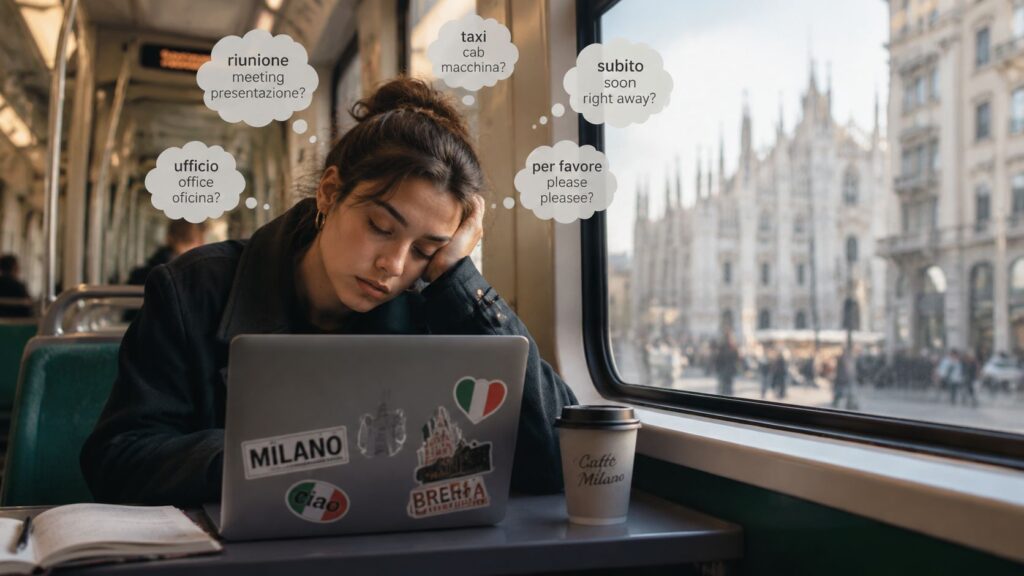
Losing Myself as an Expat? Reclaim Your Identity in Italy
Losing yourself as an expat is a recognized psychological response to moving abroad, characterized by a profound sense of disconnection from one's core identity. This experience is not a personal failure but a common and often painful part of adjusting to a new culture, especially in an immersive environment like Italy. This guide explains the psychological reasons behind this feeling and offers evidence-based strategies to help you reconnect with yourself and build a new, integrated identity.
Many expats I work with at Therapsy describe feeling like a shadow of their former selves after moving to Italy. The person defined by a familiar career, social circle, and cultural norms can feel distant when those external pillars are removed. This identity loss is a silent struggle for countless individuals, amplified by the gap between the romanticized idea of la dolce vita and the challenging realities of Italian bureaucracy, language barriers, and building a new community from scratch.
As Dr. Francesca Adriana Boccalari, Clinical Director at Therapsy, I see this every day. Clients often describe feeling like an observer in their own life, completely disconnected from their core values and emotions. This is a classic sign of identity negotiation – the complex, often painful, process of figuring out who you are in a brand-new context.
This feeling of being lost is a central theme in expat mental health. Feeling isolated is very common among expats, and it is a key trigger for identity-related distress. This can be especially sharp for those who move for a partner’s job, a situation often leading to trailing spouse depression when a professional identity is left behind.
Common Signs of Expat Identity Loss
Recognizing the signs is the first step toward finding your footing. These emotional, cognitive, and behavioral shifts are valid signals that your identity is working hard to adapt.
- Emotional Signs: Feeling numb, empty, or detached from your own feelings. A persistent low mood or irritability that you can't shake.
- Cognitive Signs: Constantly comparing your new life in Italy to your old one. Difficulty making decisions that feel true to your personal values.
- Behavioral Signs: Feeling like you're "performing" a role instead of being authentic. Withdrawing from social contact or avoiding new situations.
If these signs feel familiar, remember this is not a weakness. It is your mind signaling the need for a new internal map to navigate this new territory.

The Psychology of Expat Identity Shift
The feeling of losing yourself as an expat often arises when the external roles, relationships, and cultural routines that previously defined your sense of self are suddenly removed. Moving abroad, particularly to a country with a strong culture like Italy, dismantles the pillars that supported your identity.
Your job title, role in your family, and social network are not just external facts; they are integral to your self-concept. When they disappear, a disorienting and often frightening void is left behind. You're no longer the person who knows the best shortcuts or the go-to friend for advice. This abrupt change challenges your core sense of who you are.

How Core Beliefs Are Challenged
As the Clinical Director of Therapsy, I often use frameworks like Schema Therapy to help expats understand these deep emotional shifts. Schema Therapy identifies the long-standing emotional patterns and core beliefs – or "schemas" – developed since childhood that shape our worldview.
For example, if you hold a deep-seated belief like, "I am only valuable if I am successful," losing a prestigious job title during your move to Italy can trigger profound feelings of worthlessness. Your new environment is directly challenging a fundamental part of who you believe you are.
This creates what psychologists call cognitive dissonance: a jarring mental conflict between your old self-concept and your new reality. You might think, "I'm a competent, intelligent person, but I can't even figure out how the Italian post office works." This internal clash is exhausting and a central reason why many expats feel completely lost.
Understanding this dynamic is a crucial step in adapting, a process we explore further in our guide to handling culture shock in Italy. Recognizing which of your core beliefs are being shaken provides a clear map to your inner world, demystifying the confusion and empowering you to build an identity that feels authentic and resilient in your new life.
A Practical Guide to Reclaiming Your Identity in Italy
Understanding the psychological roots of feeling lost is the diagnostic work. Now comes the recovery plan. Rebuilding your identity is not about erasing the person you were before moving. It is a process of integration – weaving the threads of who you were with who you are becoming into a stronger, more resilient whole.
This is your guide to finding yourself again, with tangible steps designed for the realities of life in Italy. The key is intentional action and gentle self-discovery that grounds you in your new present while honoring your past.

Create a Hybrid Routine
A common mistake expats make is trying to either perfectly replicate their old life or completely abandon it for a new one. The most effective approach is to create a "Hybrid Routine," consciously blending comforting habits from home with new rituals discovered in Italy.
If your morning yoga session always grounded you, keep it. Let it be the anchor for your day, and afterward, walk to your local forno for fresh bread. This simple act combines a familiar comfort with a new, distinctly Italian experience, creating a bridge between your past and present.
As the Clinical Director at Therapsy, I encourage clients to see this as a creative act. You are curating a life that feels uniquely yours. It’s about pairing your favorite podcast from home with an evening passeggiata or enjoying your traditional Sunday breakfast before exploring a neighborhood market.
Practice Identity Anchoring
When your external world feels unstable, you need to anchor yourself internally. "Identity Anchoring" is a powerful journaling exercise I recommend to reconnect with your core values – the principles that define you, independent of your job or location.
- List Your Core Values: Write down 5-10 values that are non-negotiable for you (e.g., creativity, kindness, integrity, adventure).
- Connect to Past Actions: Next to each value, note a quick example of how you lived that value in your home country.
- Plan Future Actions: Brainstorm one small, achievable way you can express that same value this week in Italy.
This exercise provides tangible proof that while your circumstances have changed, your fundamental self has not. You are still you, just in a different setting. Embracing this kind of personal growth is a foundational step. Our mental health checklist for moving to Italy offers further structured guidance.
Navigating Career and Family Changes
For many expats, career and family roles are central to their identity. When an international move disrupts these foundations, it can feel like you are losing yourself as an expat. These shifts challenge the very core of our self-concept.
If you were a driven professional, the absence of your career can leave a void and a loss of purpose. Or perhaps you moved for a partner’s job and now find yourself adrift, your own ambitions on hold. This is a well-documented and deeply challenging part of the expat experience.
As Dr. Francesca Adriana Boccalari, Clinical Director at Therapsy, I often work with individuals and couples navigating this exact identity shift. The psychological weight of these changes is immense, and it is critical to acknowledge that this struggle is valid and real. It's a journey of redefining what success and fulfillment mean to you now.
Family-related issues are a frequently cited reason for early expat returns. This often stems from an erosion of identity, made worse when the accompanying partner cannot find work abroad. For many American women moving to Italy, the reality of cultural and bureaucratic hurdles can clash with professional dreams, magnifying feelings of loss.
Redefining Success on Your Own Terms
This period can be reframed as an opportunity to build a new definition of success and explore parts of yourself that have been dormant.
- Launch a Passion Project: Is there a skill you’ve always wanted to learn or a business idea you've been sitting on? Now is the time to build something that is entirely your own.
- Volunteer for a Local Cause: Connecting with a local organization can provide a powerful sense of purpose and help you build community ties outside the typical expat bubble.
- Explore New Work Models: If adapting your career is necessary, understanding the practicalities of remote work is key.
If career stress becomes overwhelming, understanding the signs of professional exhaustion is crucial. Our guide on recovering from business burnout can be helpful. In therapy, we can create a supportive space to navigate these changes and find new pathways to a fulfilling life abroad.
When to Seek Professional Support
Self-help strategies are valuable, but sometimes they aren't enough to overcome the profound feeling of losing yourself as an expat. Recognizing the need for structured support is not a weakness; it is a proactive step toward feeling better.
If the sense of emptiness, disconnection, or anxiety becomes a constant companion and interferes with your daily life, it is likely time to speak with a professional.

The stress of the expat experience can easily evolve into a serious mental health challenge. At Therapsy, we frequently support young adults and professionals in Italy facing this exact spiral.
How Therapy Provides a Solution
As a psychotherapist, I see therapy as a collaborative and dedicated space to piece your identity back together. Evidence-based methods provide a roadmap and concrete tools for this process.
-
Cognitive Behavioral Therapy (CBT) is highly effective for identifying and reframing the negative thought patterns that fuel feelings of worthlessness. It provides practical skills to challenge thoughts like, "I've lost everything that made me 'me'."
-
EMDR (Eye Movement Desensitization and Reprocessing) can be incredibly helpful if the move was linked to traumatic or distressing events. It helps your brain process these memories so they no longer trigger a powerful emotional reaction.
-
Schema Therapy helps identify and change deep-rooted life patterns or themes that are activated by the stress of relocation, allowing for deeper, more lasting change.
Therapy is a partnership designed to reconnect you with the person you feel you've lost. The goal is to find a professional who understands the unique pressures of expat life in Italy. At Therapsy, our 50+ multilingual therapists are specifically trained to support the international community across 24 Italian cities. We match you with someone who understands your cultural background, ensuring you feel truly heard from the first conversation. If you are uncertain about this step, our guide on figuring out if you need a psychologist may provide the clarity you need.
Book your first free assessment call – no commitment, just a conversation with our Clinical Director who will listen and match you with the right therapist for you. Visit therapsy.it.
FAQ
How long does it take to feel like myself again as an expat?
There is no fixed timeline for rediscovering yourself abroad, as the process is deeply personal and unique to each individual's experience. Some expats start to feel more grounded within months, while for others it takes longer to feel fully settled in their new identity. Patience, self-compassion, and consistently applying proactive strategies are more important than speed.
Is losing my identity as an expat a sign of depression?
Losing your identity is a normal psychological response to a major life change and is not automatically a sign of depression. It is a form of grief for the life and self you had before moving. However, if these feelings of being lost are severe, persistent, and significantly impair your daily functioning, they could be symptoms of depression, and it is wise to consult a mental health professional.
Can therapy actually help me find myself again?
Yes, therapy is a highly effective tool for navigating the complex emotions of expat identity loss and finding yourself again. A therapist specializing in expat issues, like the team at Therapsy, provides a safe, non-judgmental space and tailored, evidence-based strategies like CBT or Schema Therapy. This professional support helps you rebuild a stronger, more resilient sense of self that feels authentic in your new life.
What if my Italian isn't good enough for therapy?
Your language skills should never be a barrier to accessing quality mental health support, as effective therapy must happen in the language you are most emotionally comfortable with. This is precisely why services like Therapsy were created, offering therapy in 14 languages, including English, across Italy. This ensures you can express yourself fully without the added stress of a language barrier.