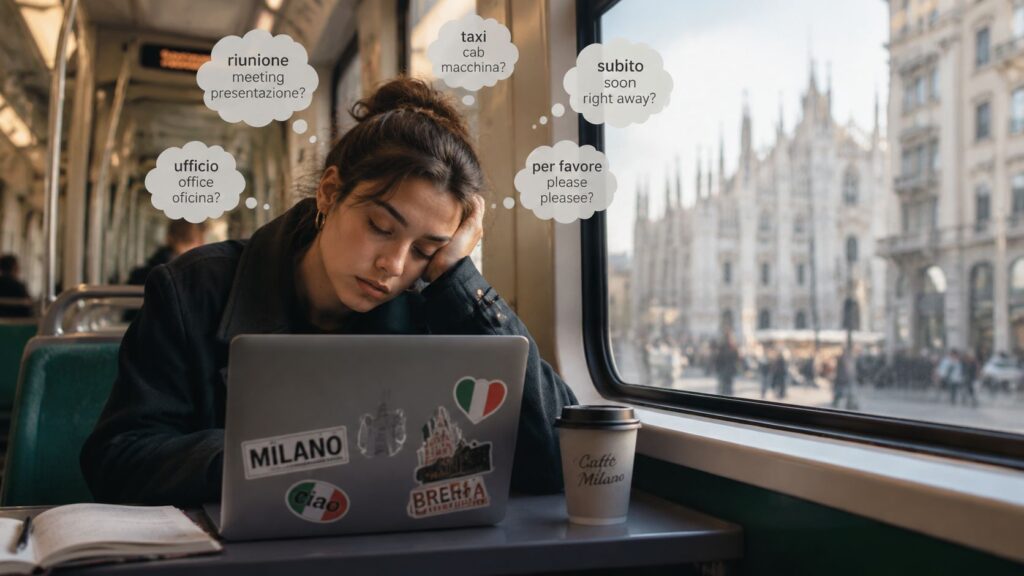
Finding Connection: The Expat’s Dilemma
Moving to Italy as an expat or international student is often framed as a dream come true. While it brings unparalleled opportunities for growth and adventure, it also presents a significant mental health challenge: loneliness. This feeling isn't just about being physically alone; it's a deep-seated emotional state stemming from the loss of your familiar social fabric. Friends, family, and cultural norms are left behind, creating a void that can feel vast and overwhelming. Understanding and addressing this specific type of loneliness is a critical step in ensuring your mental wellbeing while living abroad.
This guide explores the psychological roots of expat loneliness, the unique pressures faced by the international community in Italy, and offers actionable strategies for building authentic connections. We will delve into why common advice often falls short and how a deeper, more intentional approach can lead to meaningful relationships. This journey is about more than just "making friends"; it's about recreating a sense of belonging in a new land. For those navigating this path, a practical guide to expat mental health and wellbeing can provide a broader context for the challenges ahead.
Loneliness in an intercultural context is not a personal failure. It is a predictable psychological response to significant life disruption. Acknowledging this is the first step toward compassionately addressing it.
The Problem: Why Does Expat Loneliness Feel Different?
Loneliness as an expat in Italy isn't the same as feeling lonely back home. It's compounded by several unique stressors that create a complex emotional landscape. Understanding these layers is essential to finding an effective solution.
H4: The Impact of Cultural and Language Barriers
Even with the best intentions, navigating a new culture is mentally taxing. The constant effort to understand unspoken social cues, adapt to different communication styles, and express yourself in a non-native language can be profoundly isolating. You might find yourself in a room full of people yet feel completely disconnected because you're missing the subtle humour or cultural references. This creates a barrier to authentic connection, making superficial interactions feel exhausting rather than fulfilling.
- Problem: You feel like an outsider, unable to fully participate in social situations.
- Insight: This isn't just a language issue; it's a cultural fluency issue. True connection requires shared understanding that takes time and effort to build.
- Solution: Focus on finding "your people" – other expats or internationally-minded locals who understand the nuances of the intercultural experience.
H4: The "Honeymoon Phase" Crash
The initial excitement of moving to Italy – the "honeymoon phase" – is often followed by a crash. Once the novelty wears off and the realities of daily life set in (dealing with bureaucracy, finding stable housing, navigating work), feelings of isolation can surface with surprising intensity. The stark contrast between the initial euphoria and the subsequent loneliness can make the experience feel even more jarring and discouraging.
- Problem: The initial adventure has worn off, and now you feel isolated and disillusioned.
- Insight: This is a well-documented stage of cultural adaptation known as "culture shock." Your emotional dip is a normal part of the process.
- Solution: Acknowledge that this is a temporary phase. Seek out stable routines and connect with a support system, like a therapist, who can help you navigate this transition.
H4: The Pressure to Be "Living the Dream"
Social media often portrays expat life as a constant stream of picturesque moments and effortless adventures. This creates immense pressure to feel happy and successful all the time. When you inevitably experience loneliness or struggle, you may feel ashamed or like you're failing at the "expat dream." This pressure can prevent you from being vulnerable and seeking the very connections you need.
- Problem: You feel guilty or ashamed for feeling lonely when you're "supposed to be" having the time of your life.
- Insight: This is a cognitive distortion fueled by comparison. Authentic life, anywhere in the world, includes a full spectrum of emotions.
- Solution: Practice self-compassion. Give yourself permission to have bad days and be honest about your experience with trusted individuals.

Psychological Insight: The Science Behind Expat Loneliness
From a psychological perspective, loneliness is a signal, much like hunger or thirst. It’s your brain telling you that a fundamental human need – the need for social connection – is not being met. For expats, this signal can be particularly loud due to the complete rewiring of their social environment.
H4: Attachment Theory and Your "Secure Base"
Attachment theory suggests that we all need a "secure base" – a foundation of safe, reliable relationships from which we can explore the world. When you move abroad, you leave your secure base behind. The process of building a new one from scratch is psychologically demanding and can trigger deep-seated feelings of anxiety and insecurity.
Every superficial interaction that fails to lead to a deeper connection can amplify the feeling of being untethered. The psychological work of an expat is to consciously and patiently rebuild that secure base.
H4: Cognitive Load and Social Fatigue
Your brain is working overtime as an expat. Every simple task, from grocery shopping to making a phone call, requires more cognitive energy than it did back home. This "cognitive load" leaves you with fewer mental resources for socialising. You may find yourself declining social invitations not because you want to be alone, but because you are genuinely too tired to perform the social gymnastics required to connect in a new culture.
- Social interaction requires mental energy.
- Navigating a new culture drains that energy faster.
- This leads to social fatigue, which can be misinterpreted as a desire for isolation.
This is why generic advice like "just get out there and meet people" can be so unhelpful. It ignores the very real mental fatigue that expats experience.
The Solution: Therapsy's Approach to Building Authentic Connections
Overcoming expat loneliness requires a more strategic and psychologically-informed approach than simply joining more groups. It’s about quality over quantity and building a life that fosters connection naturally. At Therapsy, our expert therapists, many of whom are expats themselves, guide young adults and international students through this process.

H4: Strategy 1: Cultivating Self-Compassion
Before you can connect with others, you must connect with yourself. The first step our therapists often take with clients is to cultivate self-compassion. This means acknowledging that your loneliness is a valid and normal response to your situation, not a personal flaw.
- Action: Reframe your self-talk. Instead of "What's wrong with me for not having friends?" try "This is a difficult transition, and it's okay to feel lonely right now."
- Therapsy's Role: A multilingual therapist at Therapsy provides a safe, non-judgmental space to voice these feelings. They can help you challenge the harsh inner critic that often accompanies loneliness and develop a more compassionate inner voice.
H4: Strategy 2: Identifying Your "Connection Style"
Not all social interactions recharge your batteries equally. Are you an introvert who thrives in small, deep conversations, or an extrovert who gains energy from larger groups? Understanding your own social needs is crucial.
- Action: Reflect on past experiences. When have you felt most connected and energised in social settings? Try to replicate those conditions in Italy. If you love deep talks, seek out a book club or a small language exchange group rather than a crowded aperitivo.
- Therapsy's Role: Therapy can help you identify these patterns. A therapist can act as a sounding board, helping you understand your social needs and create a practical plan to meet them in a way that feels authentic to you.
H4: Strategy 3: Embracing a Growth Mindset
Building a new social circle is a skill, and like any skill, it requires practice and a willingness to be imperfect. A "fixed mindset" might see a single awkward conversation as proof of social failure. A "growth mindset" sees it as a learning opportunity.
- Action: View each social attempt as an experiment.
- Therapsy's Role: Therapsy’s professionals are trained to help you shift from a fixed to a growth mindset. This cognitive reframing is a core component of building resilience and is particularly effective for overcoming the social anxiety associated with expat life.
H4: Strategy 4: The Power of Routine and "Third Places"
"Third places" are environments outside of home (first place) and work (second place) where informal social connections can happen. Think of a local café where the barista knows your order, a neighbourhood dog park, or a weekly yoga class.
- Action: Intentionally build a routine that includes a third place. Go to the same coffee shop every morning. Join a local sports club or art class. Consistency creates familiarity, which is the foundation of connection.
- Therapsy's Role: While a therapist won't pick a café for you, they can help you overcome the anxiety or inertia that prevents you from taking that first step. They can work with you to break down the goal into manageable steps, making the process feel less overwhelming.

Frequently Asked Questions about Expat Mental Health and Loneliness
H4: How long does it take to stop feeling lonely as an expat?
There's no magic timeline, but psychologists often point to the 1-2 year mark as a significant period of adjustment. However, proactive steps like seeking therapy and intentionally building community can significantly shorten this period. The goal isn't to eliminate loneliness entirely but to build a support system that makes it a fleeting feeling rather than a chronic state.
H4: Is it better to make friends with other expats or with locals?
The most effective approach is a blended one. Expat friends provide invaluable, immediate understanding of your specific challenges. Local friends offer deeper cultural integration and a sense of rootedness in your new home. Don't force one over the other; be open to connections wherever they come from.
H4: I'm an introvert. How can I make friends without feeling drained?
Focus on quality over quantity. Instead of forcing yourself to go to large parties, seek out one-on-one interactions or small group activities centered around a shared interest (e.g., a hiking group, a pottery class). A Therapsy therapist can help you devise a social strategy that honours your introverted nature.
H4: What if I feel too anxious or depressed to even try?
This is a sign that it's time to seek professional support. Loneliness can be a symptom of, and a contributor to, depression and anxiety. The first free assessment call with Therapsy is a low-stakes, confidential first step to getting the support you need to break this cycle. Our licensed professionals are trained to help you manage these feelings and build the confidence to re-engage with the world.
Your Path to Connection Starts Here
Feeling lonely as an expat in Italy is not a sign of failure; it is a sign of your fundamental human need for connection. The journey to building a new support system is a marathon, not a sprint. It requires patience, self-compassion, and a strategic approach that honours your unique personality and needs.
The key insights to remember are:
- Acknowledge the Problem: Expat loneliness is a unique and valid psychological challenge, compounded by cultural and linguistic barriers.
- Understand the Insight: Your feelings are a normal response to losing your "secure base" and dealing with high cognitive load. It's not a personal failing.
- Embrace the Solution: A strategic, self-compassionate approach focused on quality connections, routine, and a growth mindset is more effective than simply "getting out there."
You don't have to build your new life alone. The multilingual, culturally-sensitive therapists at Therapsy are uniquely positioned to support you. We are a trusted resource for the international community, providing both online and in-person sessions across Italy. We understand the specific challenges you face because we are dedicated to bridging the gap between local Italian life and global mental health standards.
Taking that first step is the most important part of the journey. You are not alone in this feeling, and there is expert, empathetic support available.
Book your first free assessment call.
Related reading
- Expat Loneliness in Italy: Why August Hits Hardest and How to Cope
- Conquer Expat Loneliness in Italy in 2026
- Expat Anxiety: Causes, Symptoms, and How to Cope Abroad
If you are looking for someone to work with on this, one of our therapists is Dr. Anna Valfredi, who works with identity and the impact of migration. You can see the whole network on our therapists page.