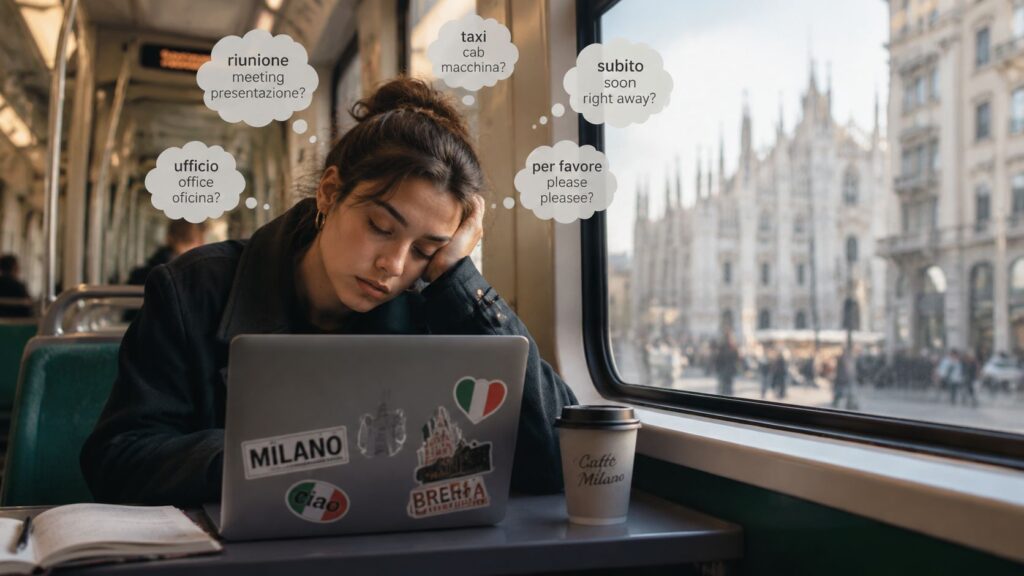
Living far from family can intensify homesickness, loneliness, anxiety, and adjustment stress because you've lost everyday access to the people who helped regulate your emotions and solve practical problems. The answer isn't to call home constantly. It's to combine intentional family contact with local relationships, clear boundaries, and professional support when distance starts affecting sleep, work, health, or your ability to function.
You may be reading this after a Sunday evening in Milan, scrolling through family photos while doing dishes alone. Everyone back home seems to be sharing a meal, celebrating a birthday, or discussing an ordinary detail of daily life. You're happy for them, but you also feel excluded from the small moments that used to make family feel close.
Therapsy is a multilingual psychotherapy service in Italy that connects expats with therapists who speak their native language.
Why Living Far from Family Feels So Heavy
Family proximity does more than provide company. It offers emotional regulation, practical reassurance, shared identity, and a sense of being known without explanation. When you move abroad, you lose much of that support at the same time as you're learning new systems, social rules, routines, and expectations.
Attachment theory explains why this can feel physical rather than merely sentimental. Human beings often calm down through access to trusted attachment figures. A familiar parent, sibling, partner, or close relative may help you feel safer just by being available. When that person is several time zones away, your nervous system has fewer immediate sources of reassurance.
Global migration has made this experience structurally common. The number of international migrants rose from 173 million in 2000 to 281 million in 2020, while their share of the world's population increased from 2.8% to 3.6%, according to data discussed in research on migration and family separation. In OECD countries, around 1.9 million migrants moved for family reasons in 2018, and family migration represented 41% of total migration into OECD countries, as reported in the same source.
Living far from family is not a niche lifestyle problem. It's a predictable psychological cost of modern mobility.
What distance removes from daily life
You may miss obvious events, such as weddings or illnesses. The more difficult loss is often quieter:
- Immediate comfort: You can't easily sit beside someone after a bad day.
- Practical help: Nobody nearby can collect a parcel, accompany you to an appointment, or help during illness.
- Shared history: Local acquaintances may not understand the family stories behind your reactions.
- Unplanned contact: Support becomes something you must schedule instead of something that happens naturally.
- Cultural belonging: Food, language, humour, and family rituals may become occasional rather than ordinary.
Research on older adults in China found that having the nearest child live 100 kilometres away was associated with a 9% higher likelihood of severe depressive symptoms compared with living together. The reported 95% confidence interval was 1% to 16%, and another study identified 80 kilometres as a meaningful threshold in the relationship between adult-child distance and rural elders' mental health, according to the relevant research review.
These findings don't mean distance automatically causes depression. They show that geographic separation can weaken emotional and practical support enough to affect wellbeing.
Adjustment grief is not personal failure
A move abroad can bring excitement and grief together. You can love Italy, value your career, and still feel angry that your mother can't drop by for coffee. You can be grateful for your university experience and still cry after seeing photos from home.
Name the experience accurately. You're grieving access, routine, and proximity, not necessarily rejecting your new life. If you want a more focused explanation of this pattern, read the guide to expat loneliness in Italy.
Homesickness becomes more concerning when it stops fluctuating and starts controlling your behaviour. Persistent withdrawal, major sleep changes, loss of interest, intense guilt, or difficulty working deserve attention. The weight you feel isn't evidence that you made the wrong decision. It's information about the support your current life needs.
Homesickness or Something More
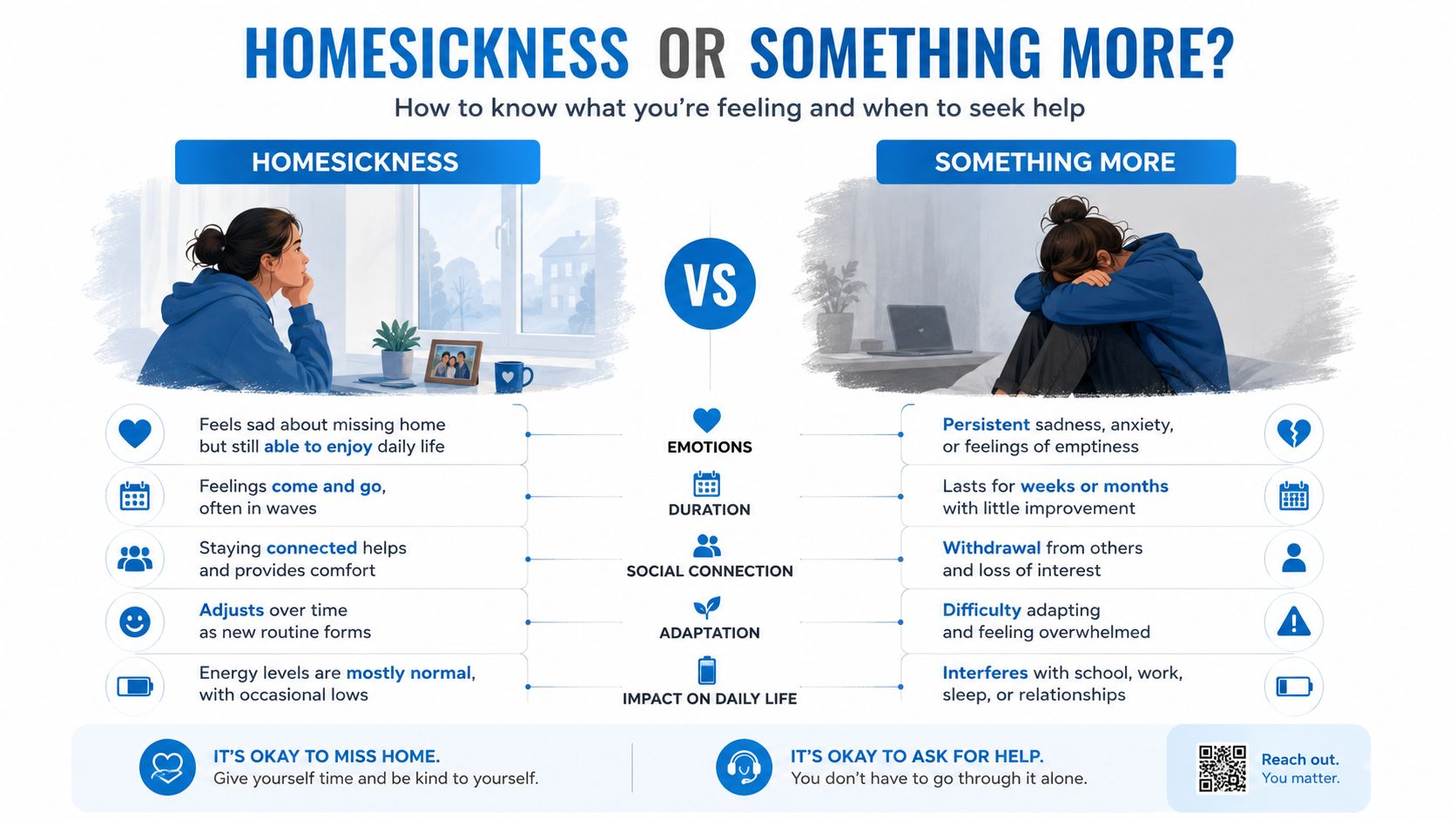
After a family call, you may cry for an hour, then laugh with colleagues over dinner. That shift is common. Homesickness usually arrives in waves, tied to familiar people, places, language, and routines. Enjoying Italy does not cancel the sadness, and sadness does not prove that moving abroad was a mistake.
Clinical concerns require a closer look at duration, intensity, and functioning. Depression, anxiety, adjustment difficulties, and complicated grief can resemble homesickness. Do not diagnose yourself from a checklist. Use these distinctions to decide whether professional support makes sense.
The practical differences
Homesickness stays connected to a specific loss. You miss family meals, familiar language, or a parent's presence. A positive experience in Italy can still reach you, even while the sadness remains.
Adjustment difficulties appear when the demands of relocation exceed your current coping resources. Bureaucracy, financial uncertainty, academic pressure, language barriers, and isolation can combine into anxiety or low mood. Support focuses on coping skills, problem-solving, meaning, and restoring daily stability.
Depression spreads beyond reminders of home. Your mood may remain low across different settings, while interest, concentration, energy, sleep, or appetite change. Persistent guilt or worthlessness also deserves attention.
Anxiety can involve constant worry, physical tension, panic, irritability, or fear about family safety and your future. Once worry becomes difficult to control, it can disrupt work, study, relationships, and rest.
Use a short self-check
Ask yourself these questions without trying to reach a diagnosis:
- Mood: Do I still experience moments of pleasure, curiosity, or connection?
- Functioning: Am I managing work, study, meals, hygiene, and basic responsibilities?
- Pattern: Does distress rise after contact with home, or remain present across most situations?
- Body: Have sleep, appetite, energy, or concentration changed noticeably?
- Behaviour: Am I avoiding people, using alcohol or other substances, or staying in bed to escape?
- Direction: Am I adapting gradually, repeating the same loop, or getting worse?
A Japanese study of workers found that loneliness increased as time spent with family decreased, while remote communication with family living apart was not clearly associated with lower loneliness. Voice calls and text messaging overall were linked to lower loneliness prevalence, as described in the peer-reviewed study.
Use contact as a support tool, not as your only support system. A call that leaves you ashamed, panicked, or unable to rejoin local life needs a different structure. A call that helps you feel understood and then return to work, relationships, and routines is serving a healthier purpose. If symptoms are worsening or functioning is impaired, read about homesickness versus depression in expats in Italy and arrange professional support rather than waiting for the feeling to become unbearable.
Communication Routines That Work
“Call your family more” is incomplete advice. Unplanned contact can increase guilt, interrupt work, and leave everyone disappointed. Use predictability, shared activity, emotional boundaries, and enough flexibility for real life instead.
Begin with one recurring family connection. Choose a time that works for everyone and protect it as a meaningful appointment. A reliable rhythm gives the relationship a place in your life without requiring constant availability.
Build contact around quality
A scheduled conversation usually works better than repeatedly asking, “Are you free?” Rotate inconvenient time slots when time zones place the burden on one person. One week, you may take the difficult evening slot. The next, your family adjusts for your morning.
Choose the format according to what you need:
- Weekly check-in: “I want to stay connected without rushing. Can we talk on Sunday evening for a focused catch-up? Let's each bring one good thing, one difficult thing, and one thing we need from the other.”
- Milestone message: “I'm excited to tell you about the new job. I'd love your reaction, but you don't need to respond immediately. Send me a voice message when you have space.”
- Re-entry after silence: “I've been quiet because I've felt overwhelmed, not because I don't care. I'm ready to reconnect slowly. Could we start with a short call this week?”
Shared activities often create more natural closeness than face-to-face questioning. Cook the same recipe, walk while talking, watch a familiar programme, show each other a new room, or open gifts together. The activity reduces pressure to produce a perfect emotional conversation.
Protect the relationship from contact fatigue
Remote family life can become a second job. Set low-contact days when nobody expects an immediate reply. Use asynchronous voice messages when a live call feels demanding. Do not promise daily access if planned conversations are what you can sustain.
Parental anxiety needs a clear boundary, not endless reassurance. Tell your family when you will check in, which information is useful, and which questions make adjustment harder. If every call becomes a crisis briefing, set a separate time for practical updates and keep other conversations focused on ordinary life.
Contact should help you return to your life abroad, not keep you emotionally suspended between home and Italy. If a call repeatedly leaves you tense, ashamed, or depleted, shorten it, change its format, or pause before responding. Do not disappear without explanation.
When distance is creating repeated conflict between partners or family members, therapy for long-distance relationships for expats offers focused support for guilt, attachment patterns, and communication boundaries. That is a better next step than trying to solve every conflict through rushed calls.
Building a Local Support Network in Italy
The first month abroad often exposes a practical gap: nobody nearby has a spare key, knows your routine, or can sit with you after a difficult day. Family may still provide emotional closeness, while a local network handles daily functions that family proximity used to provide, including companionship, practical help, spontaneous conversation, and emergency support.
Build that network through repeated contact, before loneliness becomes a crisis. Choose one reliable place near your home, work, or university and return often.
Start with one reliable place
Look for a setting where the same people appear regularly:
- Language exchanges: Choose a recurring group instead of collecting one-off events.
- Coworking spaces and cafés: Visit consistently so staff and regulars recognise you.
- Sport and activity clubs: Shared effort gives conversation a natural starting point.
- Associazioni culturali: Attend events involving art, language, history, or neighbourhood life.
- Volunteer groups: Explore opportunities with organisations such as Emergency or Caritas.
- University programmes: Continuing-education courses can extend your contacts beyond your immediate academic circle.
- Community groups: Local ANPI chapters, InterNations meetups in Milan, Rome, or Florence, and Facebook groups filtered by quartiere can help you begin.
Stay with one option long enough to see whether familiarity develops. People usually trust someone they have seen consistently, and regular attendance lowers the effort required to start a conversation.
Turn acquaintances into support
Move from shared location to small reciprocity. Ask for a recommendation, offer to bring coffee, share useful information, or suggest a short walk after an event. You are testing whether contact feels mutual and easy, not demanding instant closeness.
Useful Italian openings include:
- “Ti va di prendere un caffè dopo?”
- “Conosci un posto tranquillo per studiare?”
- “Sto cercando di conoscere meglio il quartiere. Hai qualche consiglio?”
- “Ti andrebbe di fare una passeggiata questo fine settimana?”
Parents can connect through school gates, playground routines, family activities, and local classes. Introverts should choose structured settings where the activity carries part of the conversation. The goal is simple: become recognisable.
Meaningful local ties usually grow through months of weekly presence, not a few enthusiastic weeks.
Name two or three people you could contact during a practical emergency. Ask whether you may call if you become ill, lock yourself out, or face a serious problem. Vague social contact falls short of a real support system, so make the arrangement specific.
For a broader relocation plan, use this mental health checklist for moving to Italy. Persistent loneliness after repeated attempts to connect deserves professional support. Treat that decision as sensible care, not personal failure.
When It Is Time to Ask for Professional Help
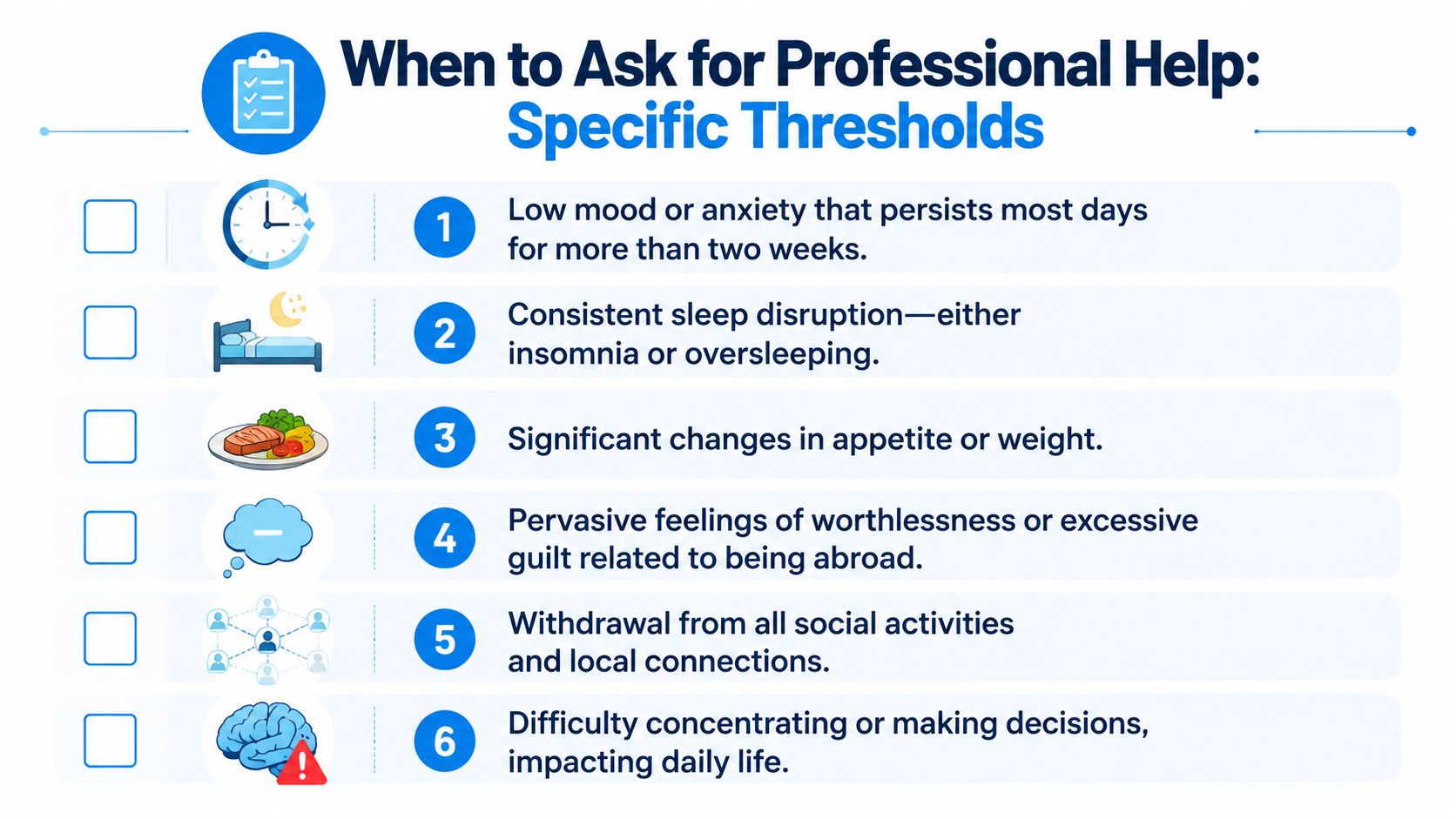
You don't need to wait until you're in crisis. Professional support is appropriate when distress persists, narrows your life, or prevents you from meeting ordinary responsibilities.
Pay particular attention to:
- Persistent mood symptoms: Low mood or anxiety stays present most days for more than two weeks.
- Sleep disruption: Insomnia or oversleeping continues and affects your energy or functioning.
- Loss of interest: Activities you previously enjoyed no longer feel accessible.
- Family-related guilt: You repeatedly feel worthless or excessively guilty for being abroad.
- Social withdrawal: You stop attending activities and avoid all local contact.
- Cognitive strain: Concentration and decision-making become difficult.
- Risk behaviours: You use alcohol, drugs, compulsive spending, or other behaviours to manage emotional pain.
- Safety concerns: You have recurring thoughts of self-harm or feel unable to keep yourself safe.
If you're at immediate risk of harming yourself, contact local emergency services or go to the nearest emergency department. Don't handle an urgent safety situation alone or wait for a routine therapy appointment.
Choose the right type of support
A psychologist or psychotherapist can help with homesickness, adjustment, anxiety, depression, grief, identity changes, relationship strain, and family boundaries. Therapy creates a space to understand patterns and practise new responses. CBT can help identify unhelpful thought-behaviour cycles. Schema Therapy explores long-standing emotional patterns. Attachment-based work examines how separation affects closeness, reassurance, and conflict.
EMDR may be appropriate when trauma is part of the picture. It uses structured bilateral stimulation while processing distressing memories, and it should be provided by a properly trained professional.
A psychiatrist is a medical doctor who can assess mental health conditions and consider medication when clinically appropriate. You may need psychiatric support when symptoms are severe, persistent, involve major functional impairment, or don't improve sufficiently with psychological care alone.
Living abroad adds cultural factors that a general service may overlook. Language, migration history, racialisation, family expectations, religious identity, and the meaning of independence can all shape the problem. Therapsy provides online and in-person psychotherapy in 14 languages, with human matching by the Clinical Director and licensed professionals working across 20+ Italian cities and 50+ physical locations. Its approaches include CBT, EMDR, Schema Therapy, systemic-relational therapy, humanistic therapy, and ethnopsychotherapy.
Telehealth also means you don't have to limit yourself to a therapist within walking distance. The right therapist should understand both your emotional symptoms and the intercultural context in which they developed. Therapsy's free first assessment call gives you a chance to discuss that context before committing to ongoing care. You can also review whether you need a psychologist if you're unsure where to begin.
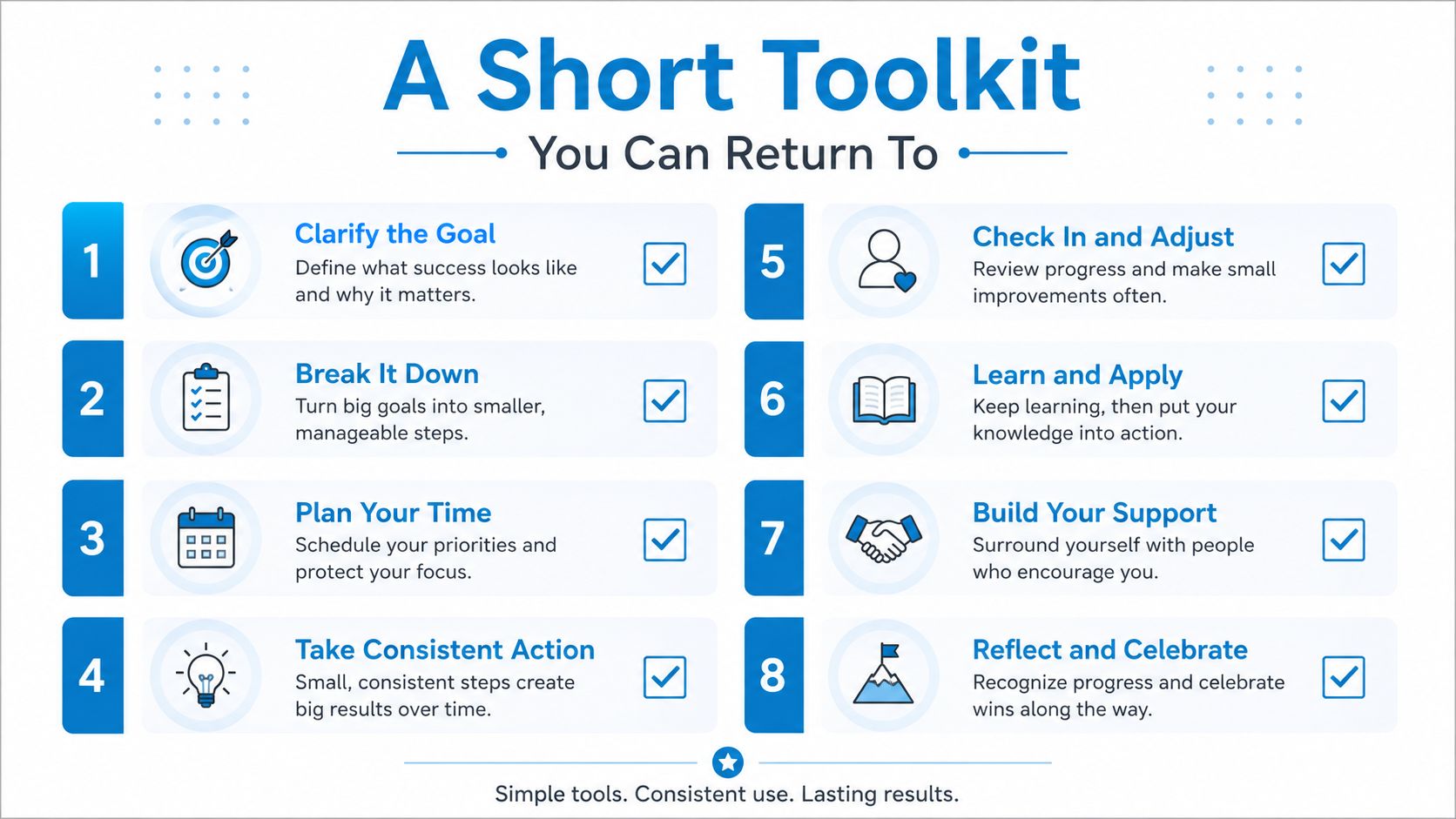
A Short Toolkit You Can Return To
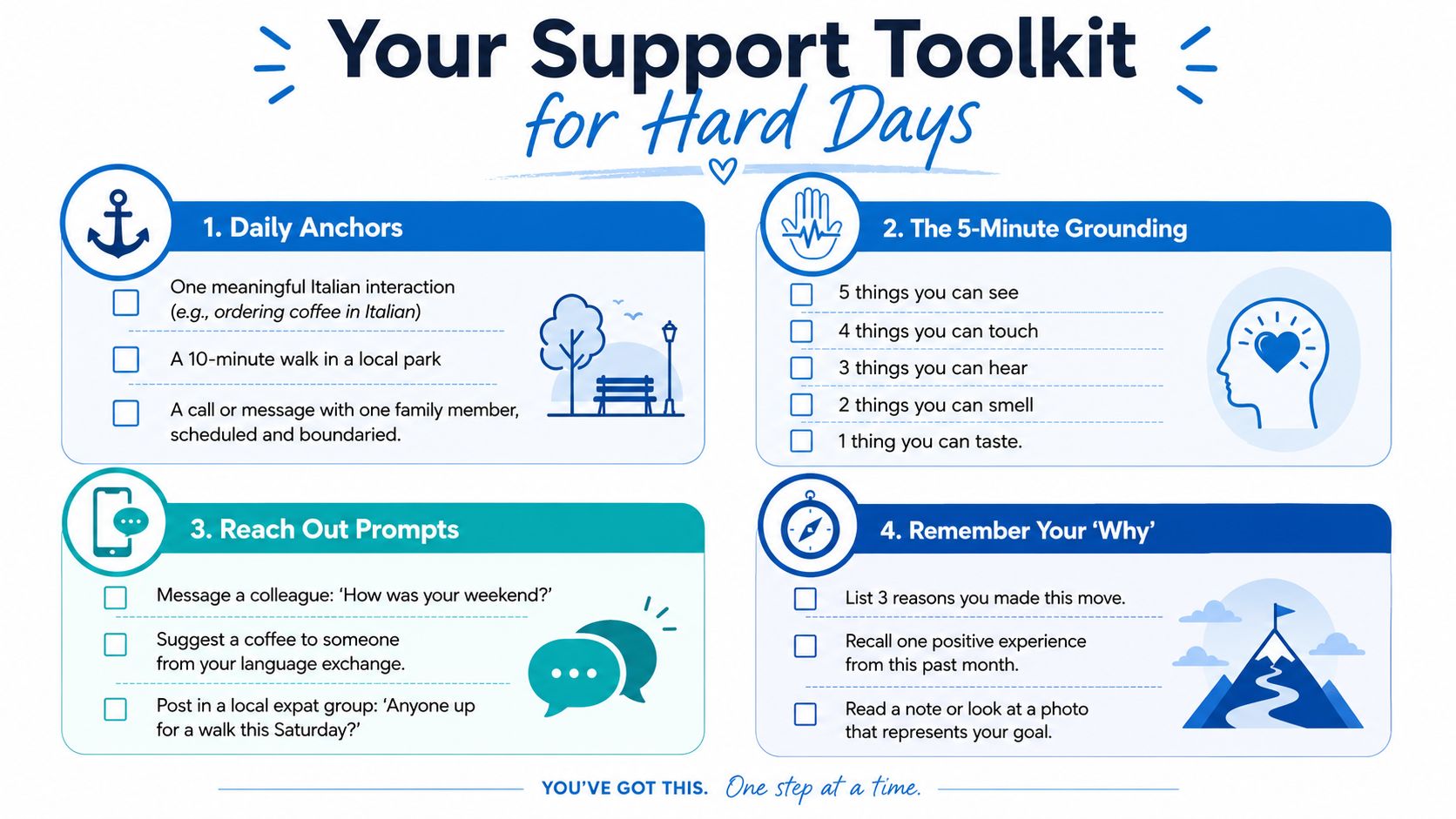
Save this section for the Sunday when family photos hurt more than usual. The point isn't to force yourself to feel positive. It's to give your day enough structure that emotion doesn't make every decision for you.
Daily anchors
Check off what you can:
- One Italian interaction: Order coffee, greet a neighbour, or ask a shop assistant a simple question.
- One movement break: Walk around the block or spend time in a local park.
- One nourishing meal: Eat something substantial instead of relying on snacks while scrolling.
- One bounded family touchpoint: Send a message or listen to a voice note within a deliberate time window.
- One limit on family-related scrolling: Stop when you notice comparison, guilt, or emotional spiralling.
The purpose is repetition. Small actions create evidence that your life in Italy contains contact, care, and agency even when family isn't physically present.
Weekly anchors
Choose a realistic minimum:
- Schedule one family call in advance.
- Meet one local contact for coffee, a walk, or a shared activity.
- Explore one unfamiliar place on foot.
- Send one meaningful update that isn't only a crisis or achievement.
- Review the coming week and identify the hardest time of day.
Treat travel as a way to practise autonomy, not as an escape from every difficult feeling. A practical guide to solo travel can help you plan a manageable experience with enough structure and safety.
Mindset shifts that help
Replace vague reassurance with accurate statements:
- Distance has costs and benefits: You can value the move without pretending the separation is easy.
- Love doesn't require constant access: A slower reply isn't proof that the relationship is failing.
- Belonging can be rebuilt: Local connection grows through repeated participation.
- Guilt isn't a guidance system: You can care about family without abandoning your own life.
- Support can be distributed: Friends, colleagues, neighbours, partners, and professionals can cover different needs.
Red flags that require action
Take persistent insomnia, loss of interest, and isolation seriously, particularly when they continue for more than two weeks or affect work, study, food, or safety. Contact a mental health professional if your toolkit helps only briefly or you can't use it consistently.
Frequently Asked Questions About Living Far from Family
How often should I call my family when I live abroad?
Use a predictable rhythm that keeps the relationship warm without turning contact into a daily test of loyalty. A scheduled weekly conversation, supported by occasional voice messages, gives family life a reliable place in your week. Adjust the routine according to the relationship, your schedule, and how you feel after each interaction.
More contact is not automatically better. As noted earlier, remote communication does not always reduce loneliness. Meaningful conversations, voice calls, and messages can help, but constant availability can keep you emotionally oriented toward home instead of building a life in Italy. Choose contact that leaves you connected and able to return to your local routines.
How do I handle guilt about missing family milestones?
Separate responsibility from sadness, then choose one concrete way to participate. Send a personal message, arrange a video call around the event, contribute to a shared ritual, or plan an in-person visit when feasible. A specific gesture usually helps more than repeated apologies.
Guilt grows when your role remains undefined. Decide what you can realistically offer and communicate that clearly. If guilt keeps controlling your choices, therapy can help you examine family expectations and attachment patterns without treating your decision to live abroad as a moral failure. Therapsy offers multilingual support for expats in Italy working through these concerns.
Does homesickness ever completely disappear?
Homesickness often changes rather than vanishes. It may become less frequent as local routines, friendships, and responsibilities grow, then return during holidays, illness, or major family transitions.
That return does not mean you have failed to adapt. It means your family still matters. The practical goal is to carry connection in a way that lets you participate fully in life in Italy, rather than keeping your attention fixed on what is happening elsewhere.
How can I support ageing parents from a distance?
Set up a practical care plan with your parents and nearby relatives. Agree on how health updates, appointments, emergencies, finances, and visits will be handled. Put responsibilities in writing where possible, so a missed call does not become a crisis.
Ask what support your parents want. Over-monitoring can raise anxiety for everyone, while clear agreements make distance easier to manage. If the situation creates persistent fear or conflict, therapy can help you hold responsibility without living in permanent alarm.
What kind of therapy helps with living far from family?
Therapy for this transition may include adjustment work, attachment-based therapy, CBT, and intercultural psychology. The appropriate focus depends on whether the main difficulty is homesickness, anxiety, depression, grief, trauma, relationship strain, or identity loss.
Therapsy matches clients with licensed professionals who work in 14 languages, including Italian, English, French, Spanish, German, Portuguese, Ukrainian, Russian, Greek, Arabic, Urdu, Hebrew, and Hindi. Sessions are available online and in person, which helps when you live outside a major city or travel within Italy.
Can online therapy help if I'm isolated in Italy?
Online therapy provides consistent psychological support without requiring travel to a clinic. It can be useful when language, location, work schedules, or limited local contacts make in-person care difficult. It also gives you a regular relationship with a professional while you build local support.
Therapsy offers a free first assessment call with the Clinical Director, followed by human matching rather than an automated questionnaire. You can explain what living far from family feels like before deciding whether ongoing therapy fits your needs.
What should I do if family contact makes me feel worse?
Change the structure and boundaries of contact instead of forcing yourself to call more. Shorten conversations, avoid predictable conflict topics at vulnerable times, use asynchronous messages, and choose shared activities that do not revolve around problems. A walk, meal, or practical task can create connection without reopening the same argument.
If every interaction triggers panic, shame, anger, or emotional collapse, speak with a therapist. The problem may involve unresolved family patterns as well as distance. Professional support can help you choose safer boundaries and find care in a language and cultural context that feels comfortable.
Living far from family can hurt without proving that your life abroad is wrong. Therapsy offers human-matched psychotherapy in 14 languages, online and in person across Italy, for homesickness, loneliness, anxiety, grief, and adjustment strain. Book a free first assessment call with the Clinical Director, with no commitment, by visiting Therapsy.