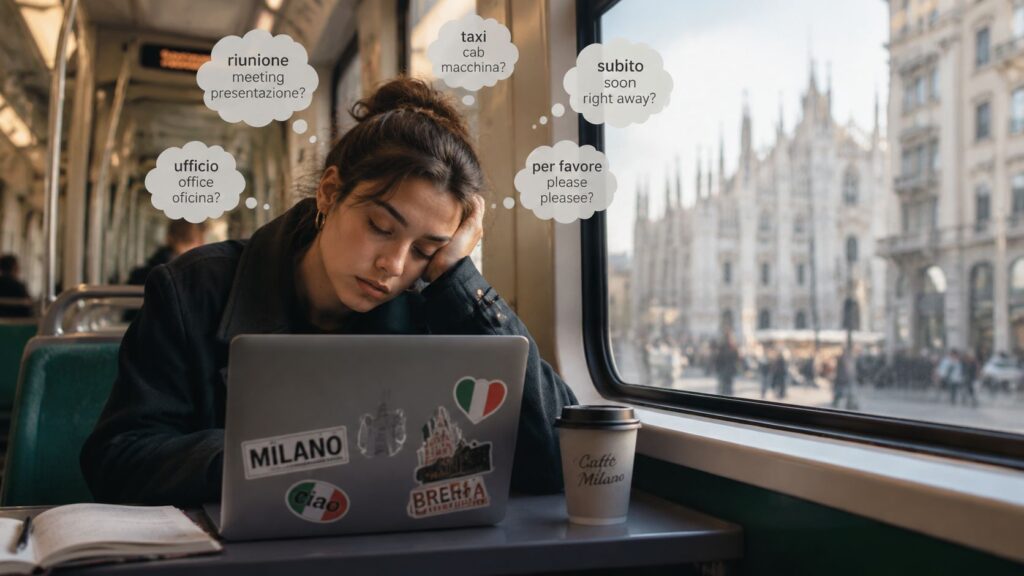
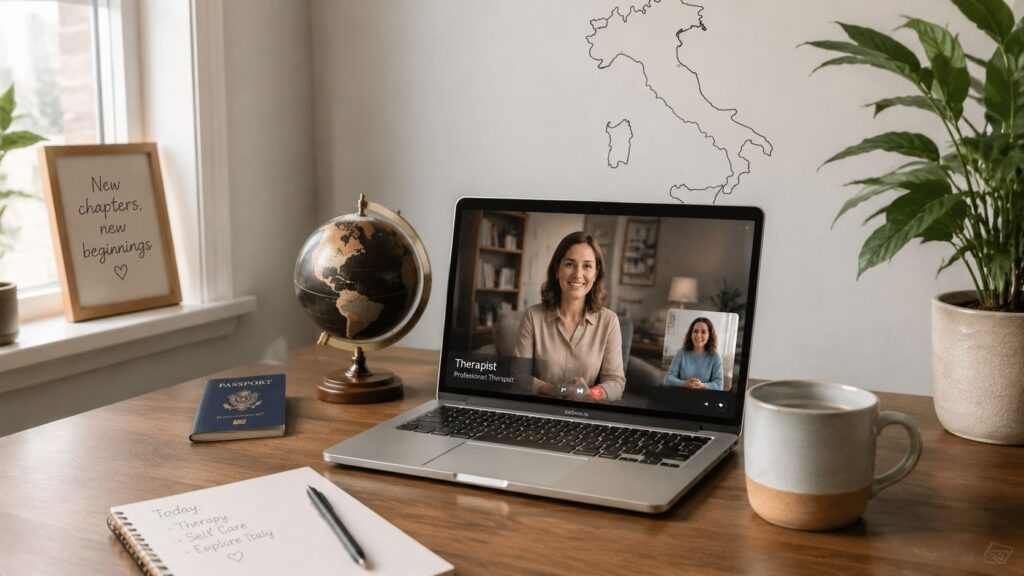
You're in a hotel room, a rented flat, or maybe on a late train home in Italy, and your body suddenly feels wrong. Your heart races, your chest tightens, your thoughts sprint ahead of you, and you can't tell whether you're having anxiety or a panic attack. That confusion is common, and it gets worse when you're far from home, unsure of the healthcare system, and trying to decide whether this is something you can ride out or something that needs urgent care.
Anxiety vs panic attack is a useful comparison because the two experiences can feel similar while behaving very differently. Anxiety is usually a prolonged state of worry and tension. A panic attack is a sudden, intense surge of fear with strong physical symptoms, and it can happen even when you don't feel especially worried beforehand.
Quick definition: Anxiety is a sustained stress state. Panic is an abrupt alarm response.
For a broad clinical overview, panic attacks are much more common than panic disorder. In one large U.S. study, 28.3% of respondents reported a lifetime panic attack, while only 4.7% met criteria for lifetime panic disorder. The 12-month rates were 11.2% for panic attacks and 2.8% for panic disorder, which helps explain why people often experience panic-like episodes without meeting the criteria for a disorder PMC epidemiologic study.
If you're in Italy and trying to make sense of what just happened, the safest starting point is simple, calm triage. If the episode is recurrent, you feel stuck in fear of the next one, or your symptoms keep returning in ways that disrupt daily life, a structured therapy conversation can help. Therapsy offers a dedicated panic attacks therapy pathway for people who want support in English or another preferred language.
When Your Body Sounds the Alarm Abroad
You're alone, maybe in a pharmacy, a metro station, or a shared apartment, and suddenly your body starts behaving like it's in danger. Your heart pounds. Your breathing feels shallow. Your mind jumps straight to the worst possible explanation, and because you're abroad, the uncertainty doubles the fear.
That moment can feel terrifying, but it doesn't mean you're weak or overreacting. It means your nervous system has switched into alarm mode. The body is trying to protect you, even if the alarm is too sensitive or triggered at the wrong time.
The terms matter here. Anxiety is usually a longer-lasting state of worry, anticipation, or tension. A panic attack is a discrete episode, sudden and intense, that peaks quickly and may include severe physical symptoms. A clinically important point is that “anxiety attack” is not a formal diagnosis, while panic attack is the recognized clinical term for the sudden episode pattern.
That distinction matters because it changes how a clinician thinks about the problem. A person who feels anxious most days may need one kind of assessment. A person who has abrupt episodes of chest tightness, dizziness, and fear of losing control may need a different conversation.
Practical rule: If the feeling arrives suddenly and your body seems to “flip a switch,” panic moves higher on the list. If worry has been building all day, anxiety is more likely.
The easiest way to stay grounded is to avoid rushing to labels and focus on the pattern. Sudden onset, intense body symptoms, and a short, sharp peak point toward panic. A steadier background of tension, rumination, and stress sensitivity points more toward anxiety.
If you're reading this because something happened tonight, take a breath. The experience is real, the fear is real, and there are clear ways to sort out what happened next.
The Key Differences Between Anxiety and Panic Attacks
The most confusing part for many people is that both conditions can include a racing heart, dizziness, shaking, and chest discomfort. The difference is less about whether symptoms feel bad and more about how they start, how long they last, and how intense they become. Panic is usually more abrupt and more physically overwhelming. Anxiety is usually slower, broader, and more persistent.
| Feature | Anxiety | Panic Attack |
|---|---|---|
| Onset | Builds gradually | Starts suddenly |
| Duration | Can last hours, days, or longer | Usually peaks within minutes and is often over within 30 minutes |
| Main pattern | Ongoing worry, tension, anticipation | Acute surge of fear and body symptoms |
| Triggers | Often linked to stress, uncertainty, or ongoing pressure | Can feel unexpected, even without an obvious trigger |
| Clinical status | Colloquial term, not a formal diagnosis | Recognized clinical syndrome |
A panic attack usually comes with a denser cluster of symptoms. DSM-aligned summaries note that at least four symptoms often occur together, and those symptoms can include palpitations, chest pain, shortness of breath, choking sensation, dizziness, derealization or depersonalization, and fear of dying or losing control Healthline clinical summary. That cluster is why panic can feel so physically alarming.
Anxiety is different in feel, even when the body is involved. It often shows up as constant worrying, muscle tension, difficulty concentrating, or a sense that something bad might happen later. Panic tends to hit the body first and the thoughts second, especially when the person suddenly thinks, “I'm not safe.”
If chest symptoms are what scare you most, it helps to read a medically minded explanation of racing heart and chest pain alongside a proper medical assessment if the picture is unclear. Chest pain can happen in panic, but it should never be brushed off automatically.
Key takeaway: Panic is usually short, sharp, and body-heavy. Anxiety is usually longer, more cognitive, and more sustained.
What Happens in Your Nervous System
Your nervous system is built to detect threat and keep you alive. When it works normally, it turns on when there's danger and settles when the danger passes. With anxiety, that system stays partially activated for too long. With panic, it can fire at full volume as if there's an emergency even when there isn't one.
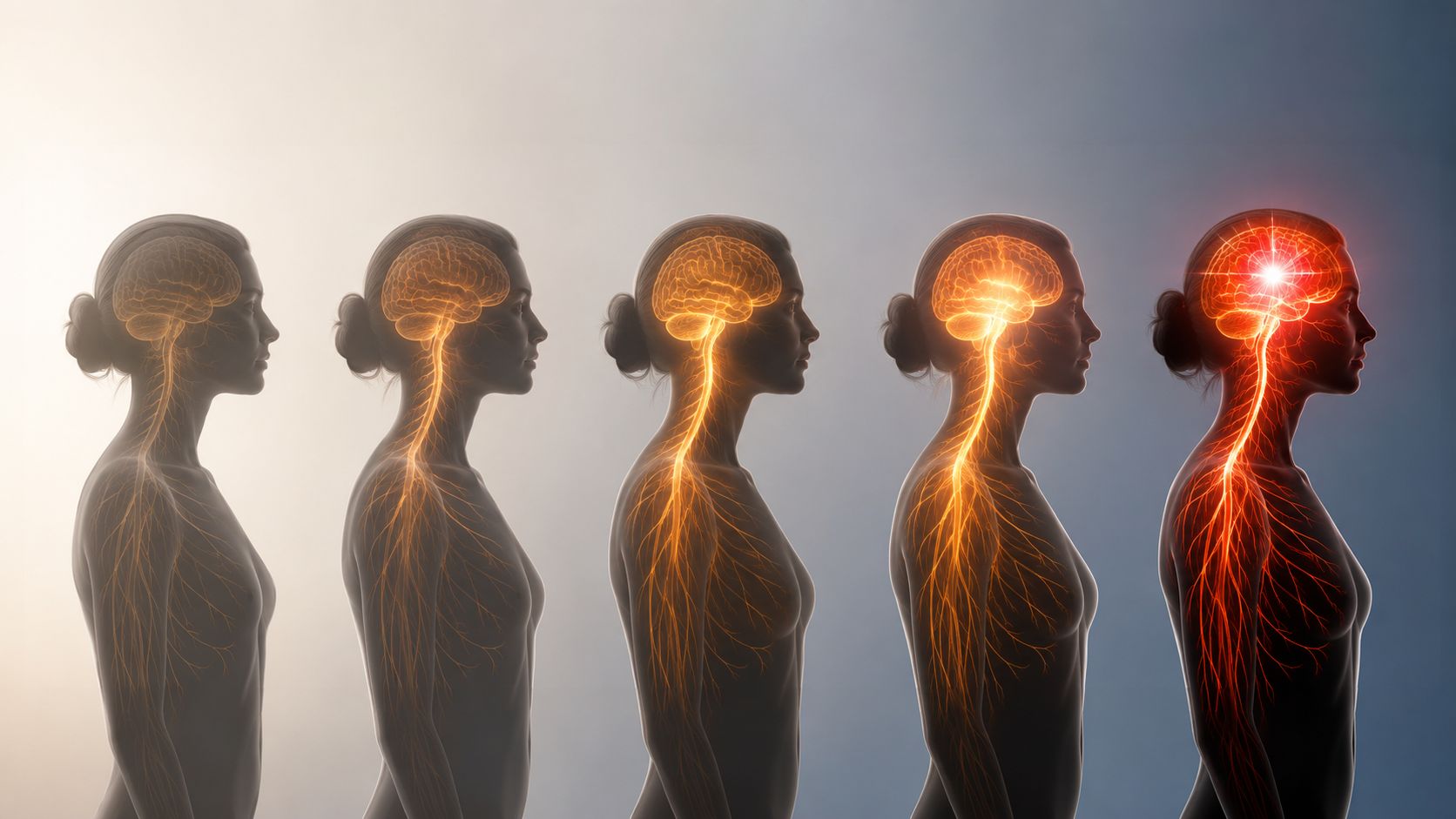
The simplest way to think about it is this. Anxiety is a sustained stress response. Panic is an abrupt fight-or-flight surge. The body reacts through the autonomic nervous system, which controls things like heart rate, breathing, sweating, and the sense of internal arousal.
The brain is part of this too. The amygdala helps detect danger and activate alarm. The prefrontal cortex helps evaluate whether the threat is real, delayed, or manageable. When stress is high, language fatigue is intense, or you're lonely in a foreign city, the brain can become less efficient at calming the alarm signal.
That's one reason expat life can feel physically exhausting even when nothing “dramatic” is happening. A new language, unfamiliar rules, and constant adaptation keep the system on alert. Over time, that can make both chronic anxiety and sudden panic more likely.
Therapsy has a nervous system regulation therapy page for people who want help working with these body-based stress responses in a structured way. That kind of support can be especially useful when you've started to fear the sensations themselves.
Useful frame: The body is sending a danger signal. That does not always mean danger is present.
When to Seek Emergency Care vs Self-Manage
The hard part is that panic can look a lot like a medical emergency. Chest pain, shortness of breath, dizziness, and a sense of doom can happen in panic, but they can also happen in heart, breathing, or other physical problems. If you're unsure, it's better to err on the side of safety.
Call 112 in Italy if symptoms are severe, unusual for you, or not settling. Seek urgent help immediately if the chest pain is severe or radiates, if breathing feels dangerously impaired, if you faint, or if the episode does not begin to ease within the usual panic window. When in doubt, say, “I'm having chest pain and trouble breathing, and I need help in English,” then give your location clearly.
For symptoms that match your usual panic pattern and start to settle, self-management is reasonable while you observe what happens. That can include sitting down, loosening tight clothing, and using slow breathing or grounding. A short walk, a cool drink, and getting near another person can also help if the episode is easing rather than worsening.
If you want a low-key calming aid to keep around during stressful evenings, some people like looking into bergamot for everyday calm as part of a broader routine. It's not a substitute for care, but it can fit into a soothing environment.
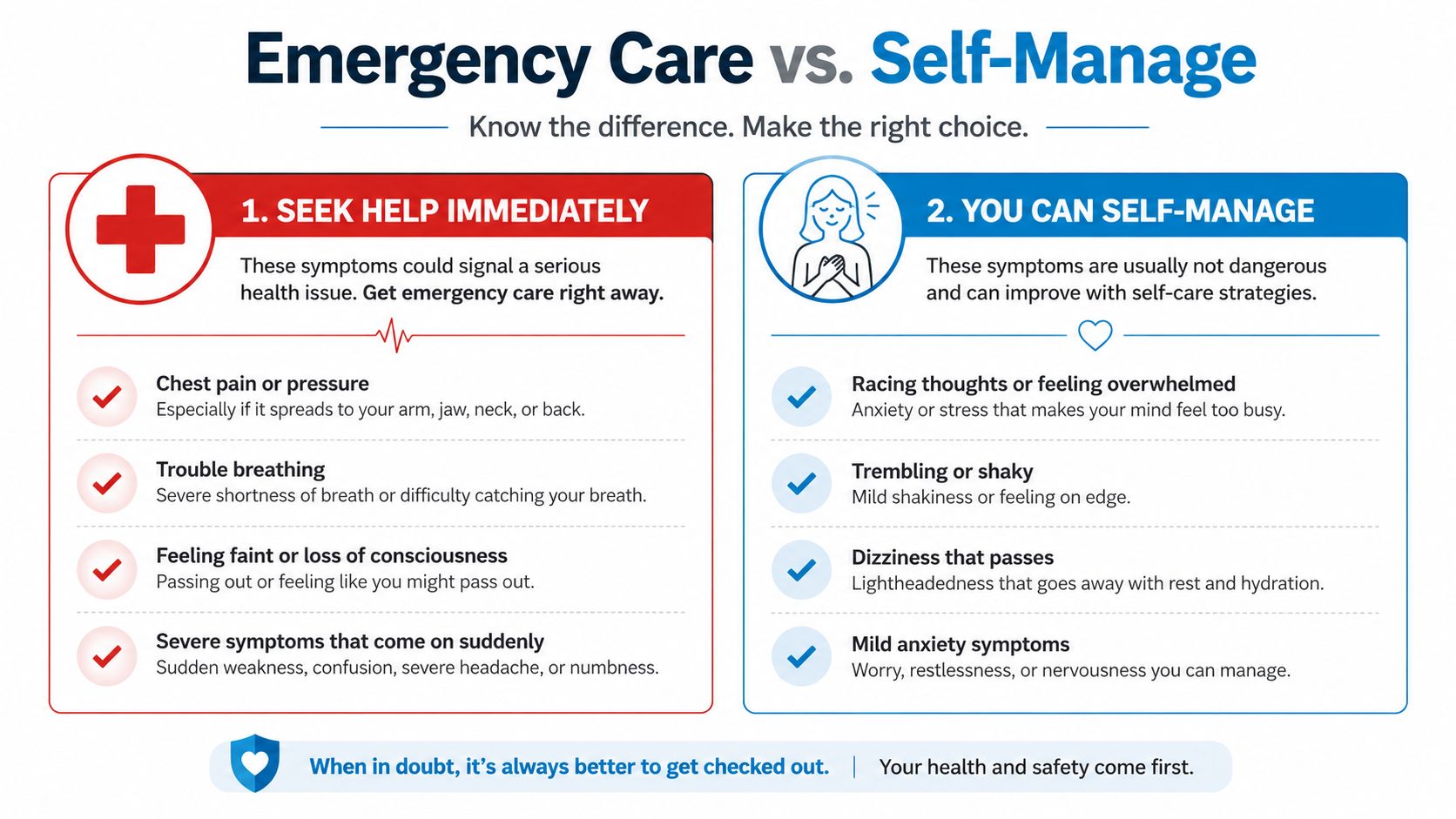
Practical rule: If the symptom pattern is new, severe, or physically different from your usual experience, treat it as medical first and psychological second.
For many expats, the hardest part is not the symptom itself, it's not knowing what the local system expects. If you feel unsure, get checked. Peace of mind is not overreacting when your body is giving you mixed signals.
Why Expat Life in Italy Can Intensify Both Conditions
Living in Italy can be beautiful and stressful at the same time. You may be managing a new job, a new language, new social expectations, and the private pressure to prove that the move was worth it. That pressure can keep anxiety simmering in the background.
When stress is chronic, the body becomes easier to alarm. A missed message, a difficult appointment, or a confusing bureaucratic process can feel bigger than it should because your system is already taxed. If you also feel far from family or your usual support network, your nervous system has fewer chances to settle.
Language strain matters more than people realize. Trying to think, translate, and self-advocate all at once takes a lot of mental energy. By the end of the day, even a minor health scare can feel enormous because the brain is already depleted.
The gap between the romantic idea of moving abroad and the daily reality can add another layer. That doesn't mean you made the wrong choice. It means you're adjusting to a real psychosocial load, and your body is responding accordingly.
Clinical truth: Culture shock can look emotional, but it often becomes physical before people notice the pattern.
Internal support matters here. The process of adjustment, belonging, and identity strain is closely tied to mental health. The article on culture shock and reverse culture shock can help you recognize why living abroad sometimes feels heavier than expected.
What helps most is not forcing yourself to “get over it.” It's building enough support, language access, and emotional space that your system can stop treating every small stressor like a threat.
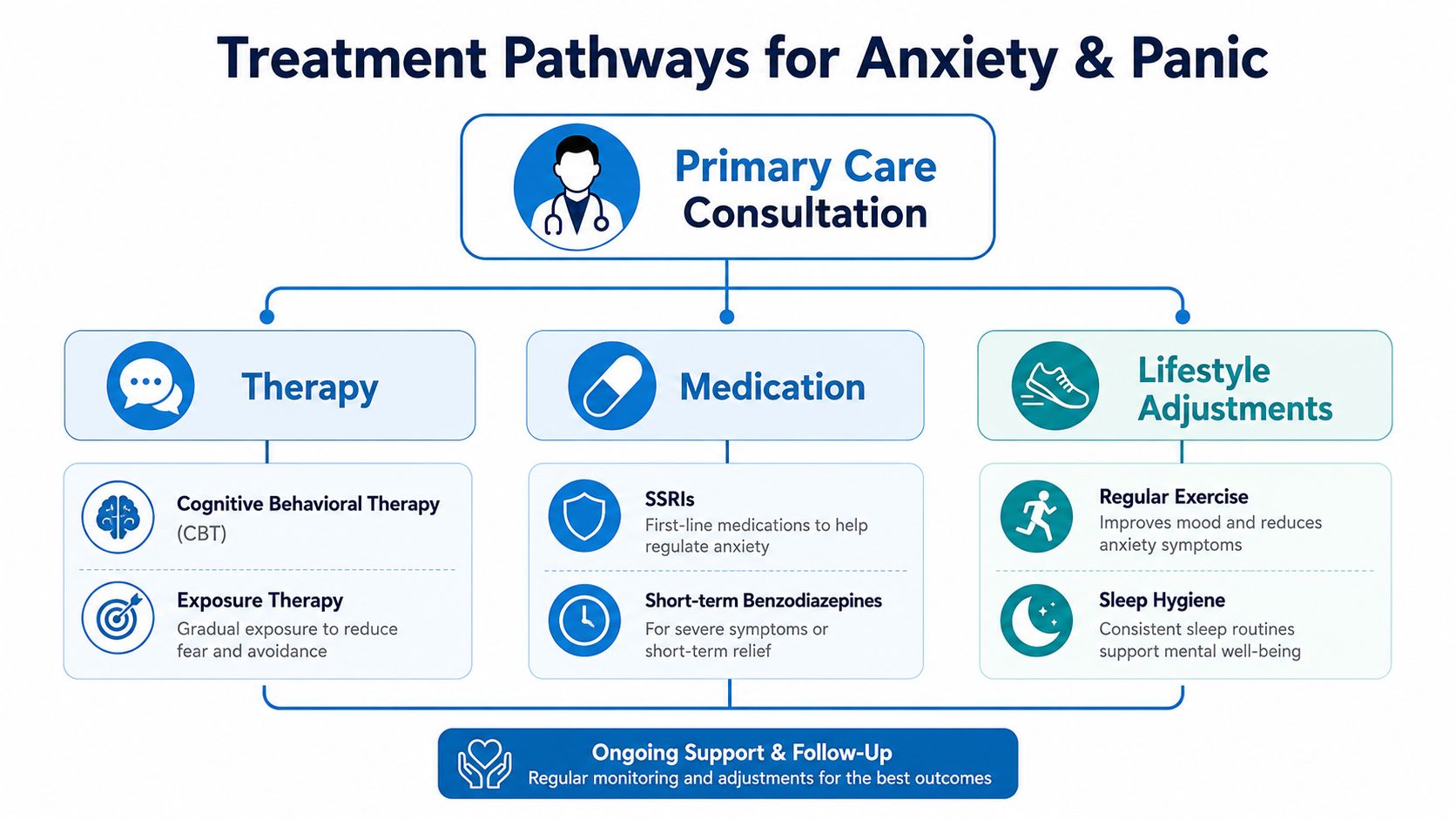
Evidence-Based Treatment Options That Work
The best treatment depends on what's driving the symptoms, but several approaches are well established. CBT, or cognitive behavioral therapy, helps you notice the thought patterns that amplify fear and the behaviors that keep the cycle going. For panic, CBT often includes learning how the body sensations work so they stop feeling mysterious and dangerous.
EMDR can be useful when panic or anxiety is connected to trauma, frightening experiences, or memories that still feel emotionally “live.” It helps the brain process distressing material in a way that reduces its emotional charge. Schema Therapy goes deeper, looking at long-standing patterns such as fear of abandonment, mistrust, or perfectionism that can feed chronic anxiety.
Medication can also be part of treatment when a clinician thinks it's appropriate. In some cases, medication helps reduce symptom intensity enough that therapy becomes easier to do. The best plan is usually collaborative, not all-or-nothing.
For people in Italy who want to speak in their own language, multilingual therapy can make a major difference. If you can't fully describe body sensations, fear, and family history in Italian, treatment gets harder than it needs to be. Therapsy works as a multilingual psychotherapy service in Italy, with therapy in 14 languages, online and in person across 20+ Italian cities and 50+ locations, and matching that happens through a human clinical process rather than a form or chatbot.
If you're specifically looking for panic-focused support, the article on CBT for panic disorder is a useful place to start. You can also read about exploring CBD capsules for stress as a general wellness topic, while remembering that supplements are not a replacement for diagnosis or therapy.
Best-fit principle: Therapy works best when you can speak freely, feel understood, and learn tools that match your actual life, not an idealized version of it.
Your Next Steps Toward Feeling Better
If this is all feeling a bit much, keep the next step small. You do not need to solve the whole problem tonight. You just need to get through the next hour, then decide what support would help most.
Start with one grounding exercise. Name five things you can see, four things you can touch, three things you can hear, two things you can smell, and one thing you can taste. Then slow your exhale. If the fear is still rising, text or call someone you trust and say plainly that you're having a difficult episode.
If the symptoms keep returning, book an assessment before they start to shape your life around avoidance. A first session usually focuses on what happens, when it happens, and what you fear most about it. If you're an expat, it also helps to find someone who understands the stress of navigating a foreign country while you're already distressed.
Therapsy's finding the right therapist for expats in Italy page fits that need well if you want a structured match in your preferred language. The first assessment call is free, there's no commitment, and it's a conversation with the Clinical Director who listens and matches you with the right therapist.
You deserve support that feels calm, clear, and human. If you're ready, take the smallest next step and let someone help you sort out what's happening.
FAQ
Can a panic attack cause long-term harm?
A panic attack usually doesn't cause lasting harm by itself, but it can feel frightening enough to change your behavior. Repeated attacks can lead to avoidance, sleep disruption, or fear of the symptoms returning. That's why it's worth getting assessed if the episodes keep happening.
Can anxiety and panic happen together?
Yes, they often overlap. A person may live with ongoing anxiety and also have sudden panic episodes, especially during stressful life changes. The combination is common enough that clinicians usually look at both the pattern and the triggers, not just one symptom.
How long does treatment usually take to help?
It depends on what's driving the symptoms and how often they happen. Some people feel relief once they understand the cycle and start using targeted tools, while others need longer-term therapy to work through deeper stress, trauma, or long-standing patterns. The important part is that improvement is possible.
What should I say if I'm helping a friend through a panic attack?
Stay calm, speak clearly, and focus on safety. Tell them you're there, ask if they want water or a seat, and encourage them to breathe slowly and stay with the moment. If the symptoms seem medically concerning or unusual, call emergency services.
Should I avoid seeking help if I'm embarrassed about the symptoms?
No, embarrassment is common, but it shouldn't keep you from getting care. Panic and anxiety are treatable, and many people feel relieved once they have a name for what's happening. A therapist can help you understand the pattern without judging it.
If you're tired of guessing whether your symptoms are anxiety, panic, or something physical, support can make the picture clearer. Therapsy offers multilingual psychotherapy in Italy for expats and young adults who need help in a language that feels natural, not strained. Visit THERAPSY to book your free first assessment call and take the next step with a Clinical Director who will listen and match you with the right therapist for you.